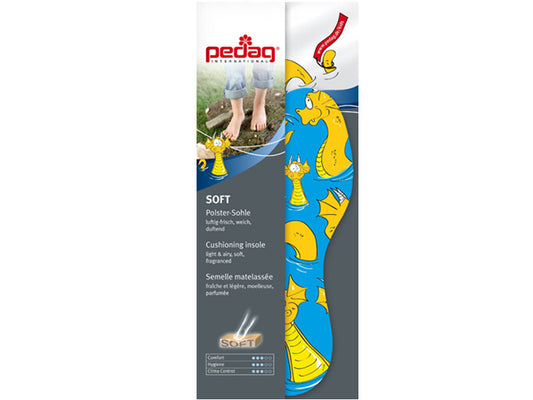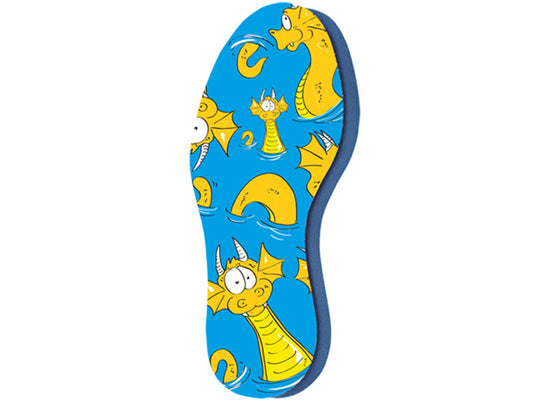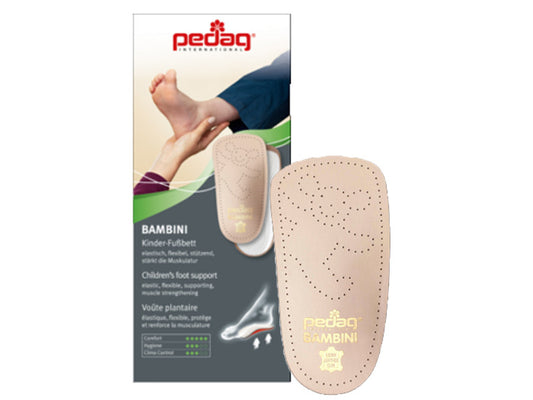
Sever's Disease (Calcaneal Apophysitis) - Heel Pain in ChildrenIs your child complaining of heel pain? Is he/she limping or walking on their toes? This could be Sever's disease, also called calcaneal apophysitis, an inflammation of the heel growth plate. Children's heel cushions can immediately reduce your child's pain and discomfort, while children's arch supports are recommended to prevent the heel pain from returning once it has subsided.
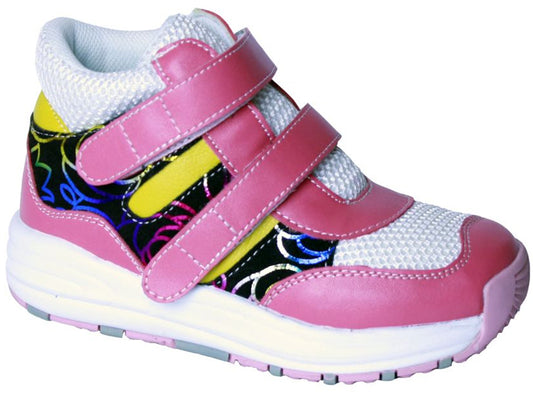
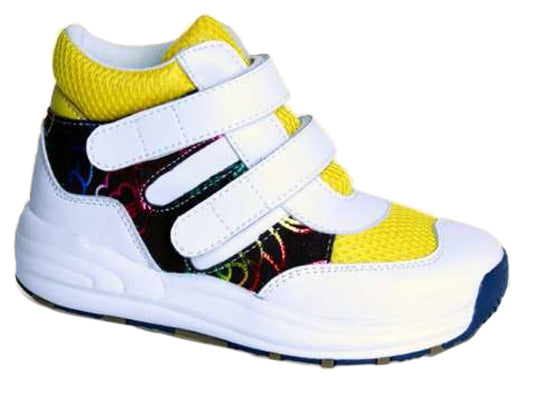
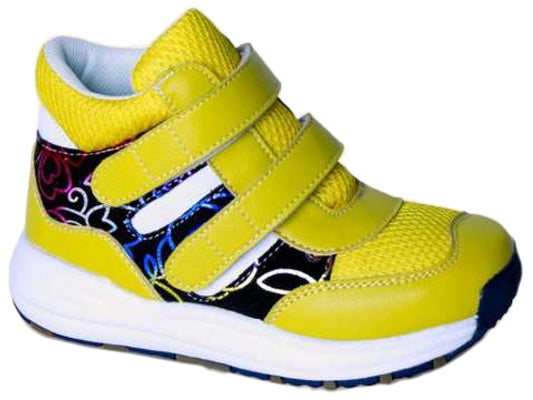
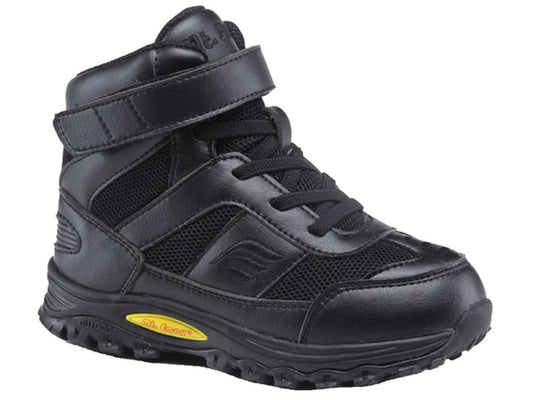
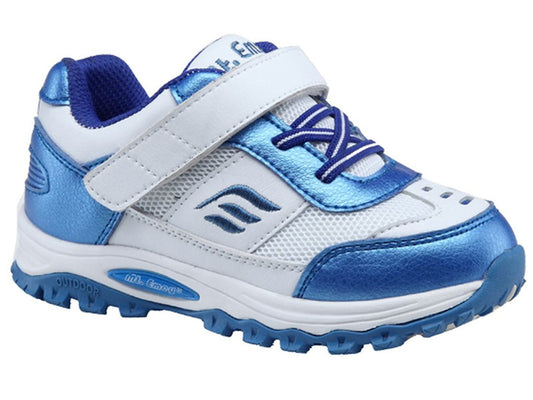
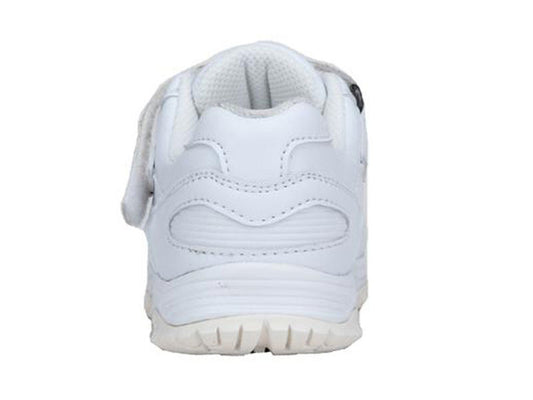
To prevent heel pain and other foot problems, children should wear shoes that have sufficient support and shock absorption. Visit our Children's Healthy Shoes page!
What Is Causing My Child's Heel Pain?
There are a number of possible causes for a child's heel pain. Because diagnosis can be challenging, a foot and ankle surgeon is best qualified to determine the underlying cause of the pain and develop an effective treatment plan. Sever's disease, also known as calcaneal apophysitis, is by far the most common cause of heel pain in children. Other causes of heel pain include tendo-achilles bursitis, other overuse injuries, and fractures.
What Is Sever's Disease or Calcaneal Apophysitis?
Sever's disease is an injury to a child's still developing foot structure, specifically an inflammation in the heel's growth plate due to muscle strain and repetitive stress. It is common in young athletes and children who have problems with pronation. Sever's Disease usually occurs in children age 10 - 12 years of age when the child's bones are still in the growth stage and the growth plates have not become ossified.
What Causes Sever's Disease or Calcaneal Apophysitis?
The cause of Sever's Disease is not entirely clear but it is most likely due to repeated minor trauma that happens in many sporting activities such as basketball and football. It may also occur from wearing shoes with poor heel padding or poor arch supports. Some additional contributing factors are excessive pronation, an overly tight calf muscle, and other flaws in the biomechanics of a child's walking stride. Children who are overweight are also have a greater risk of developing Sever's Disease.
What Are the Symptoms of Sever's Disease?
Sever's disease causes pain and tenderness in the back and bottom of the heel when walking or standing, and the heel is painful when touched. It can occur in one or both feet.
Podiatrist Recommendations: Reduce activity, avoid going barefoot and cushion the child's heel. It is very important that your child wear shoes with padded heel surfaces and shoes with good arch supports even when not participating in sports. A heel cushion or children's arch support are very important to reduce the pull from the calf muscles on the growth plate and to increase shock absorption and reduce irritation. The use of an ice pack after activity for 20 minutes is often useful. Your health care provider may also prescribe anti-inflammatory drugs or custom orthotics.
Preventing a Sever's Disease Relapse: After the painful symptoms of Sever's disease have gone away, it is important to continue stretching the heel, particularly before a vigorous exercise, and wearing good supportive shoes fitted with children's arch supports. This will prevent heel pain recurrence until the child's heel is fully developed and less prone to injury.
FREE shipping on all orders over $75.00! FREE exchanges on all shoes!* *Excludes mismatched shoes and items marked as final sale.
|