
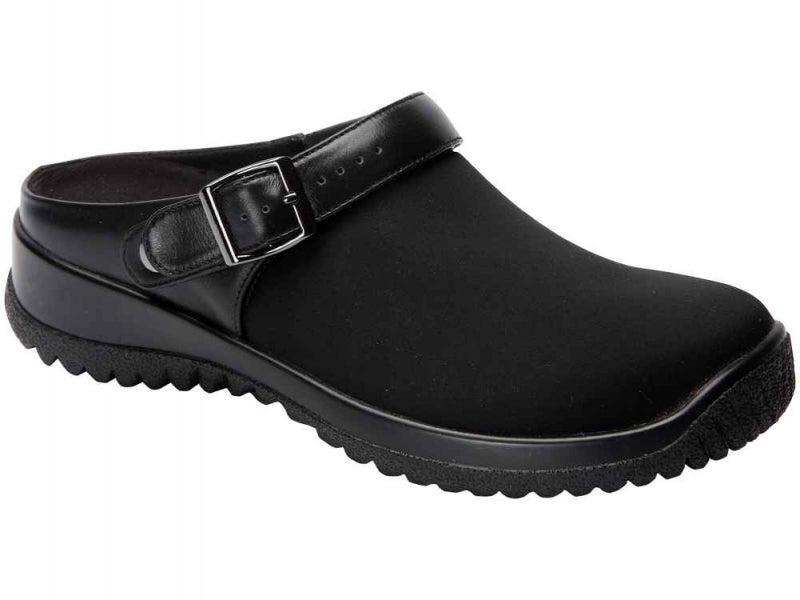
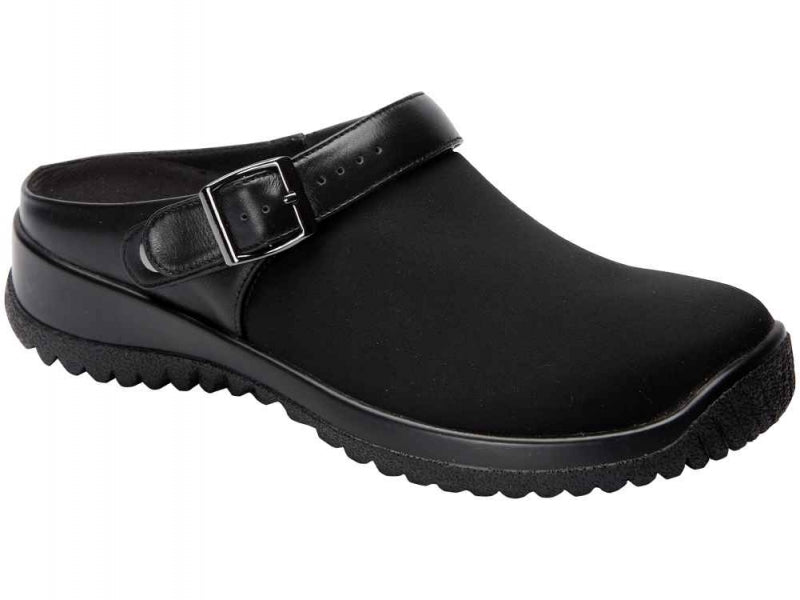
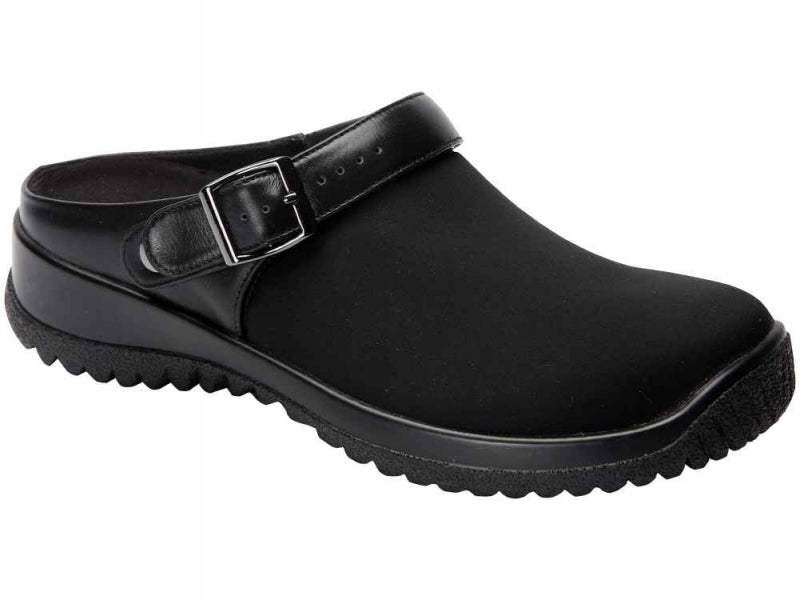
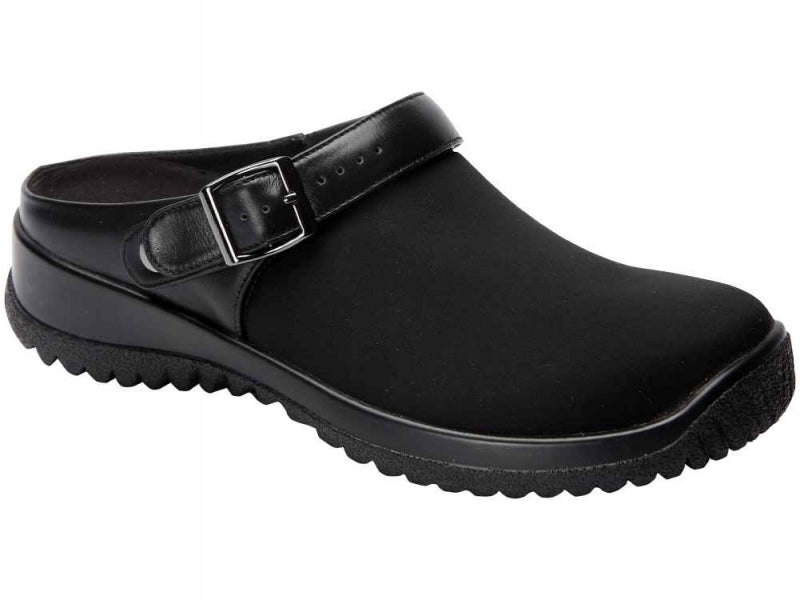
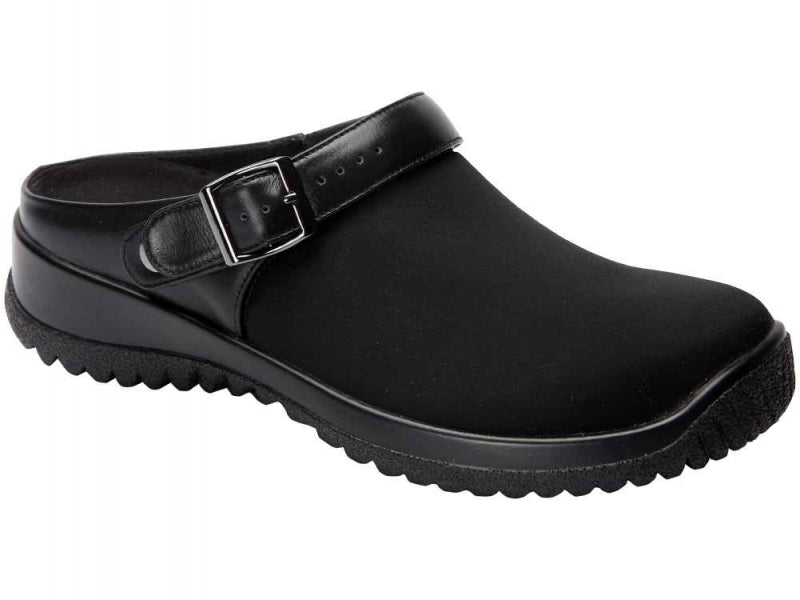
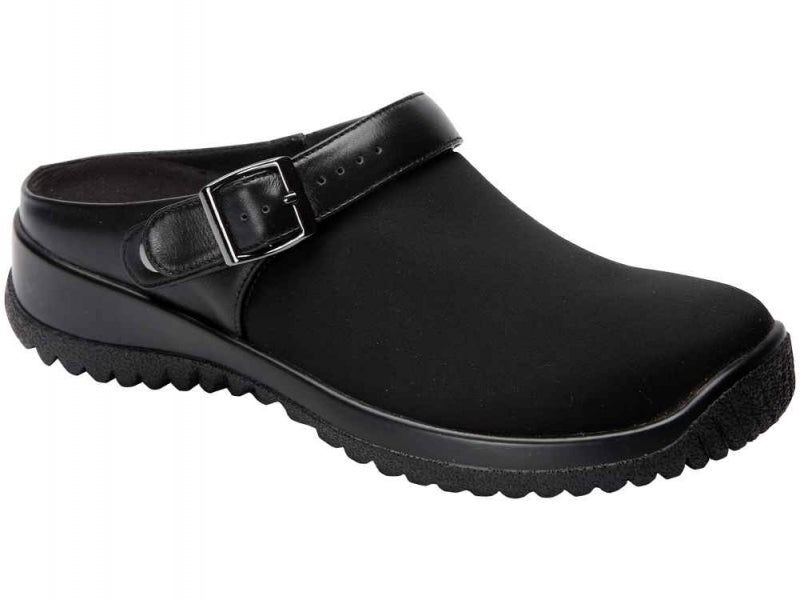
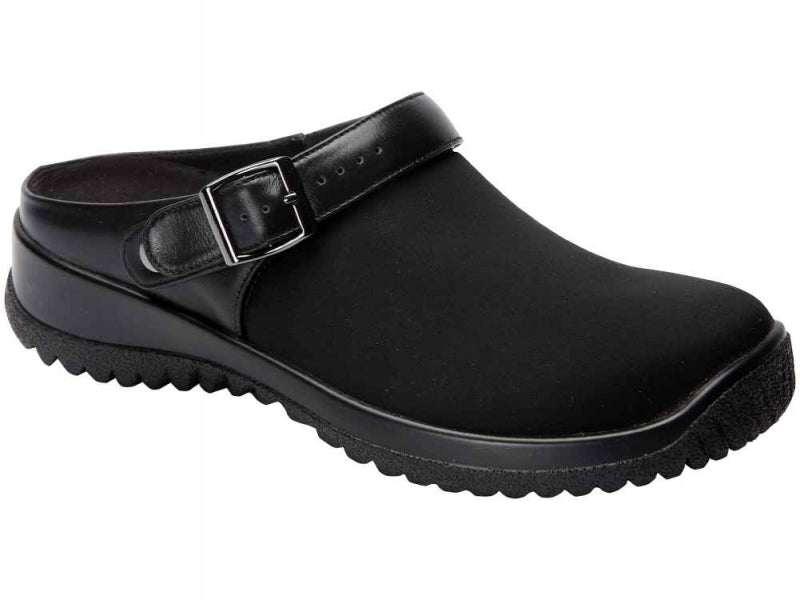
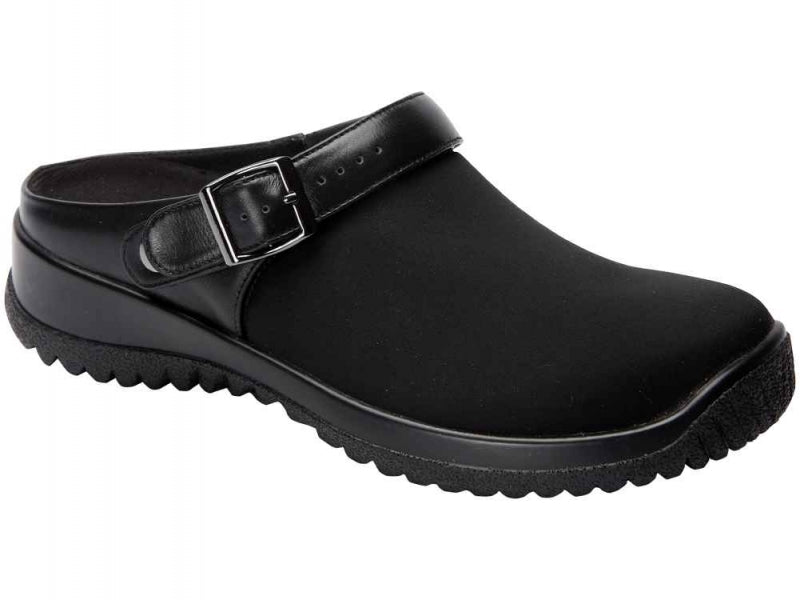
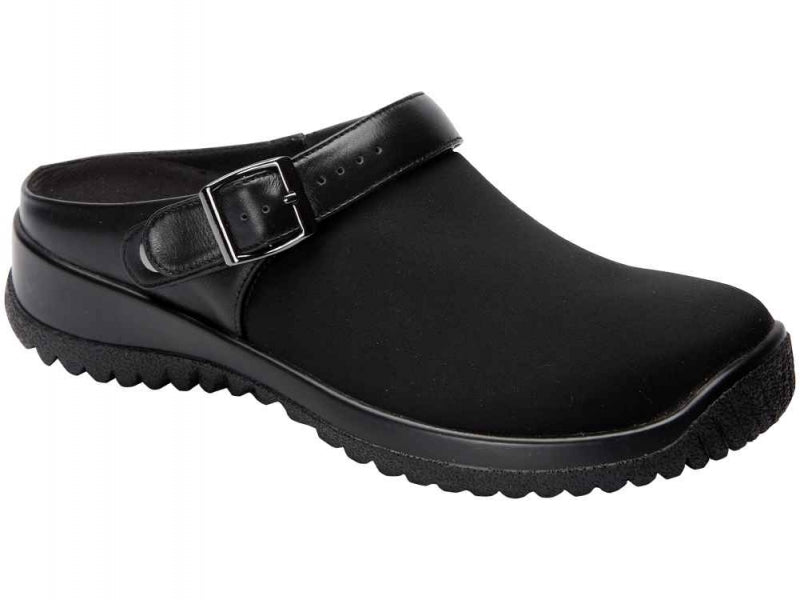
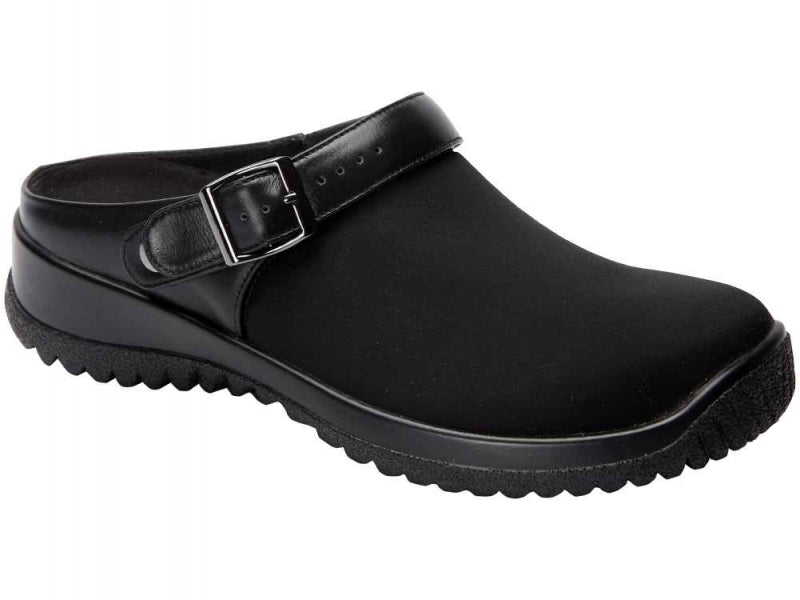
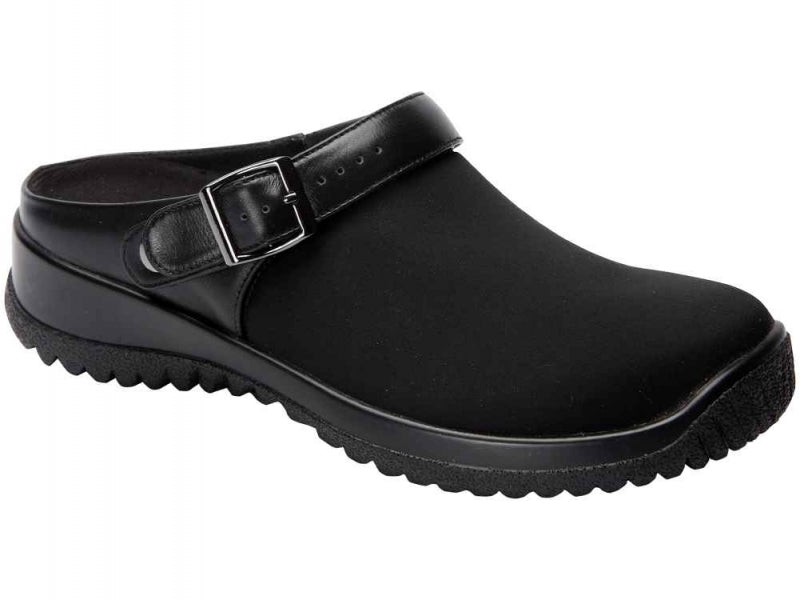
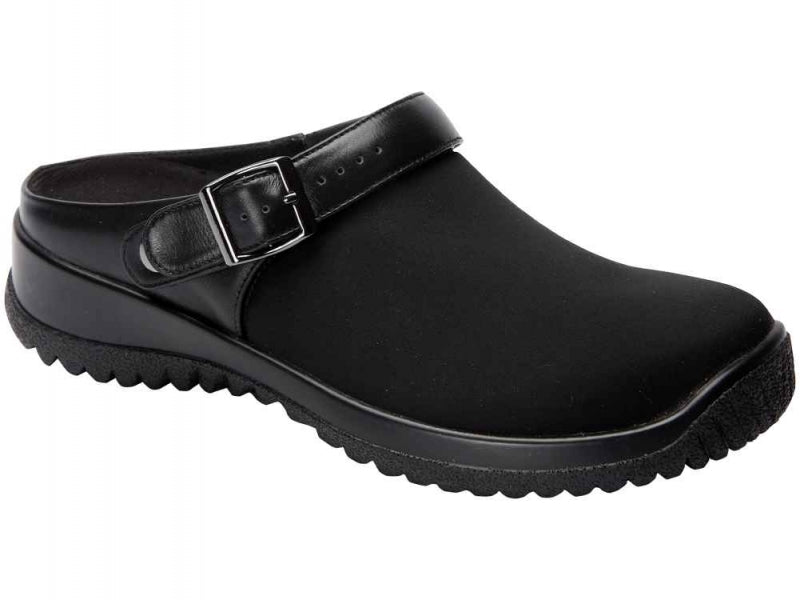
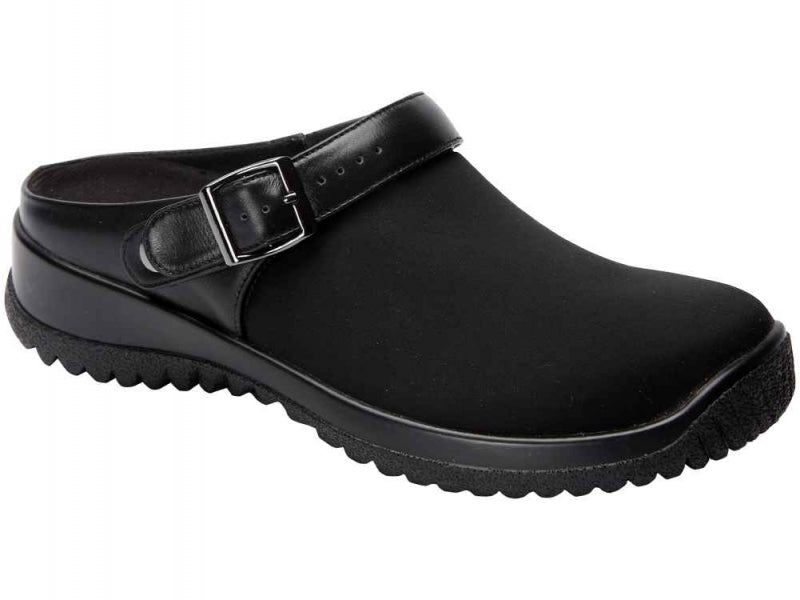
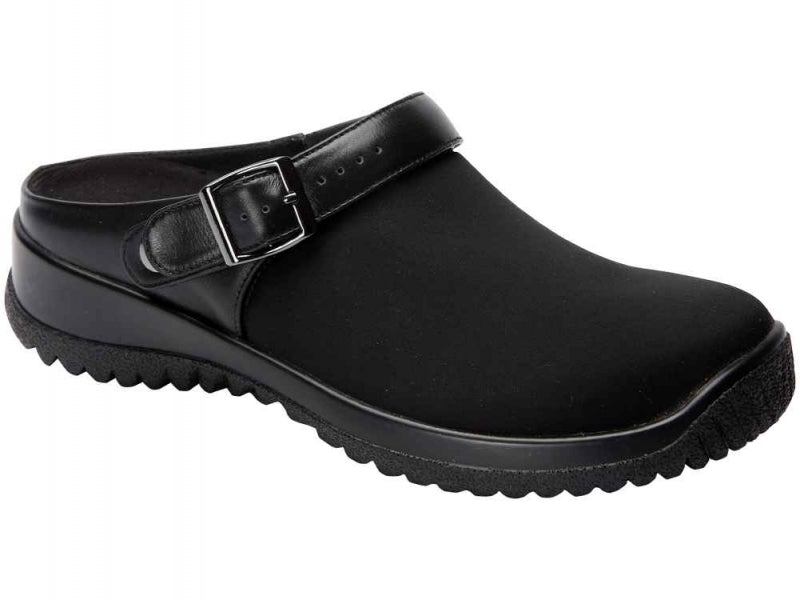
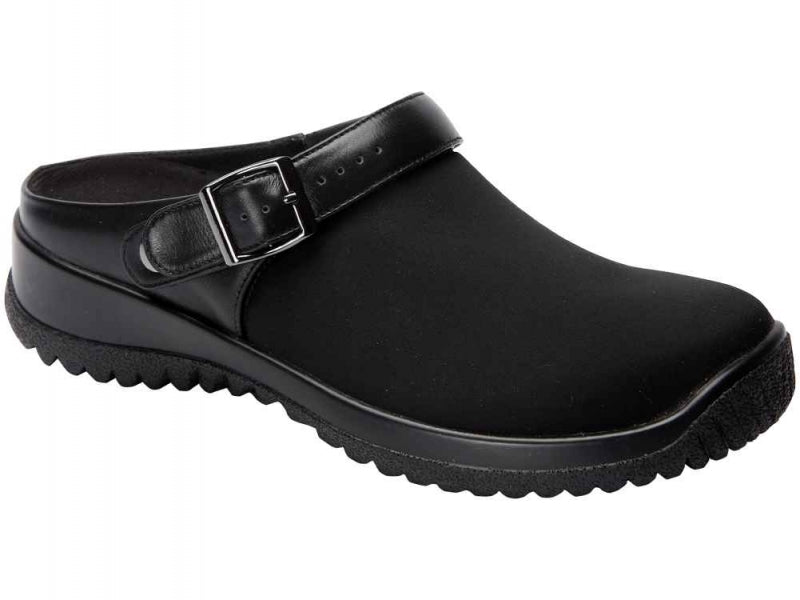
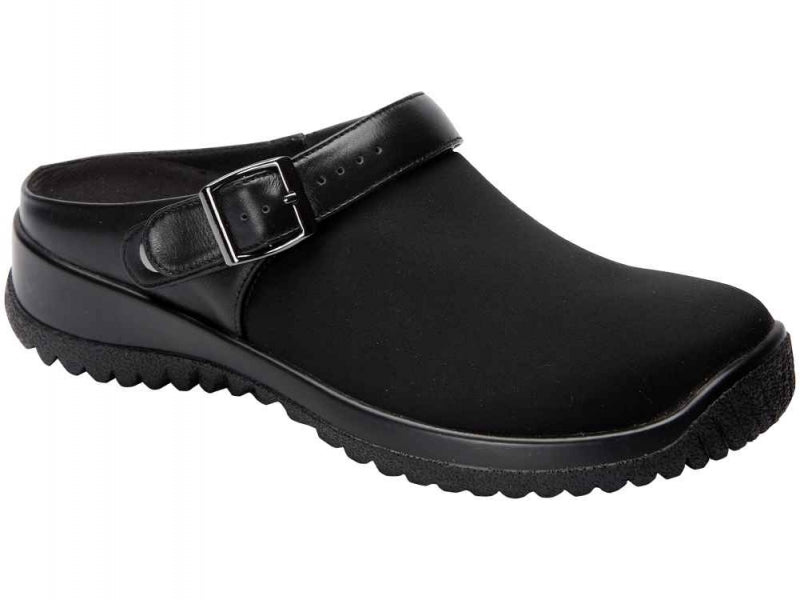
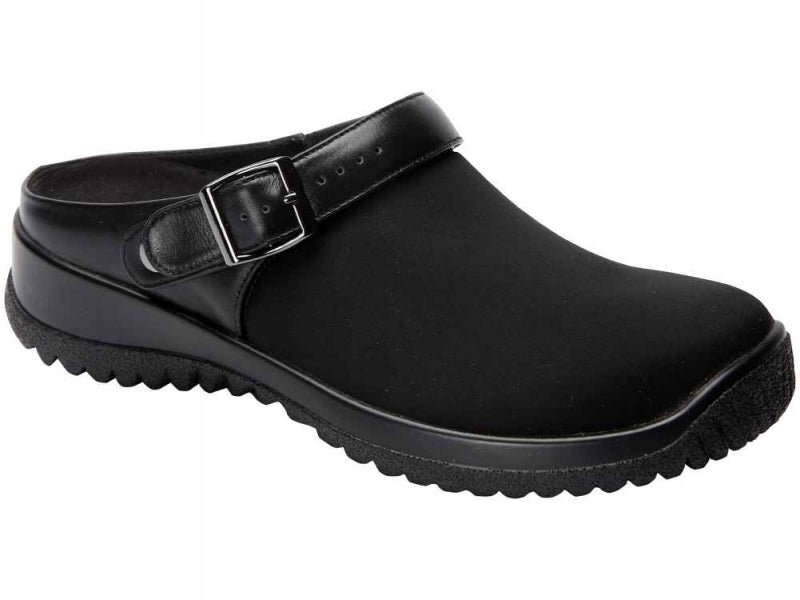
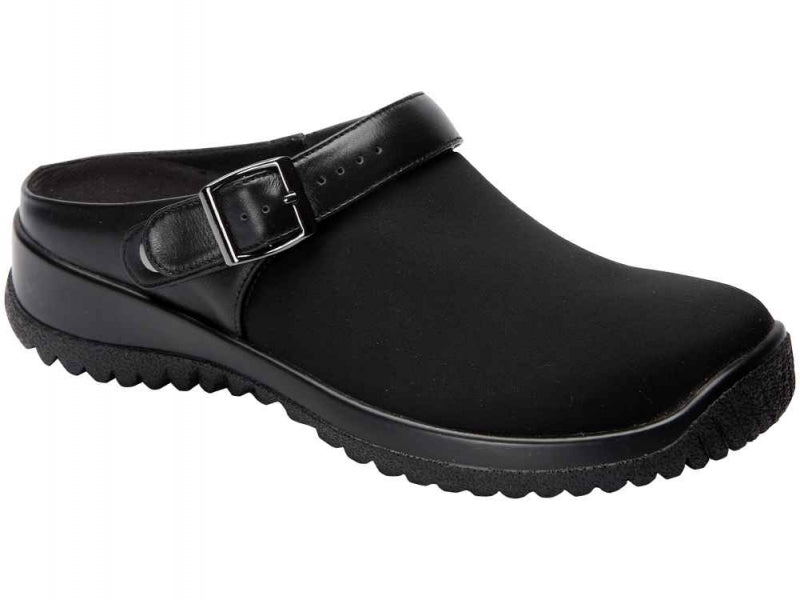
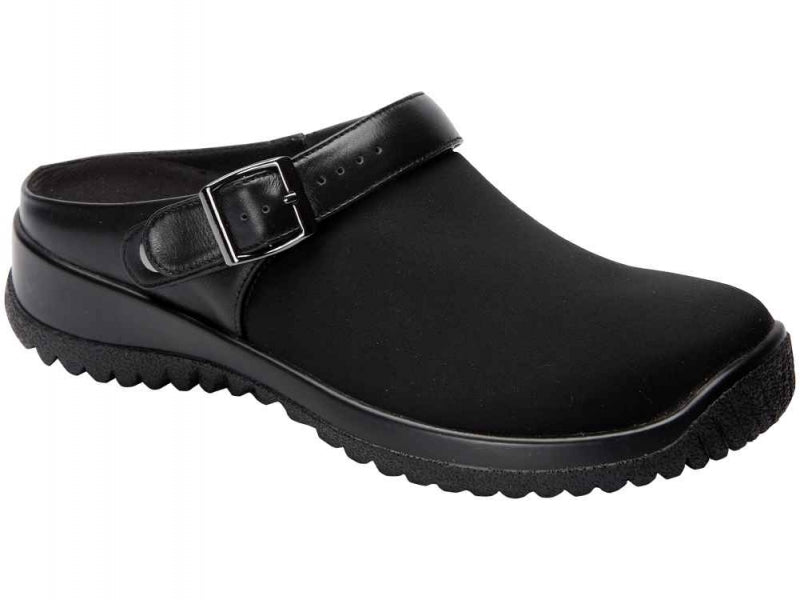
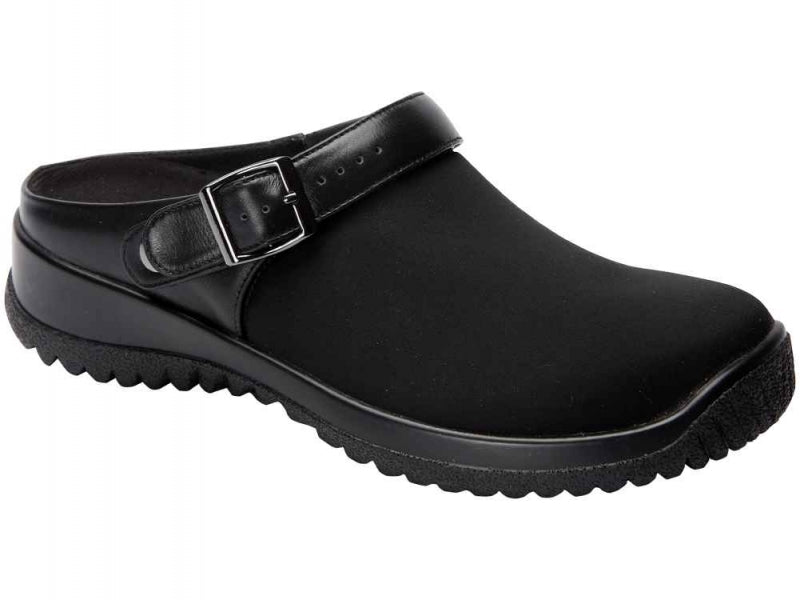
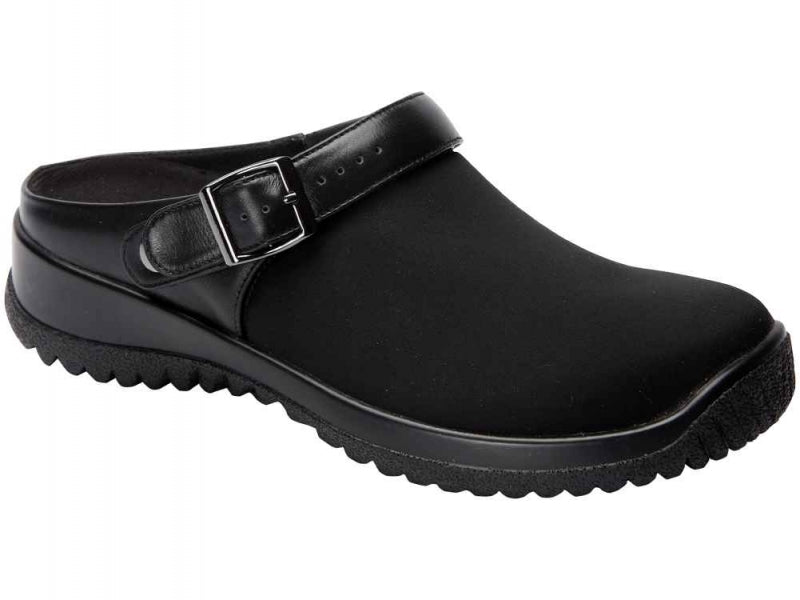
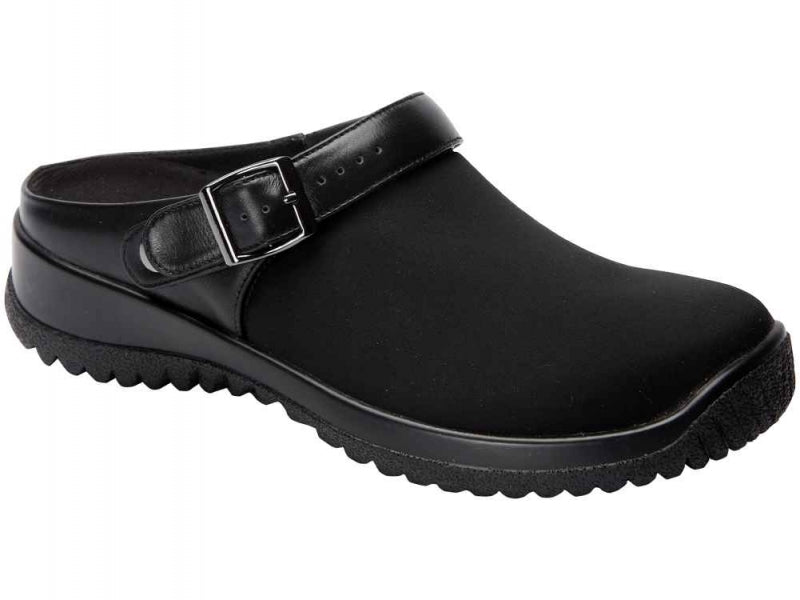
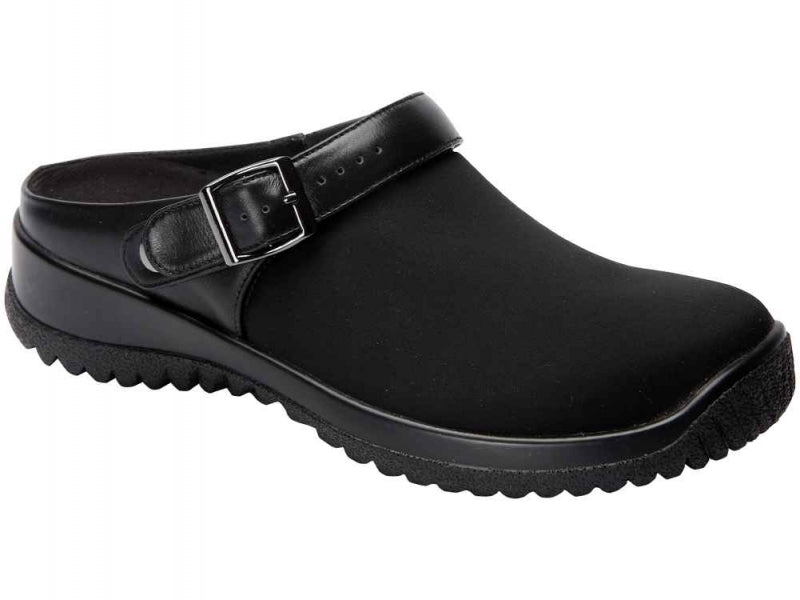
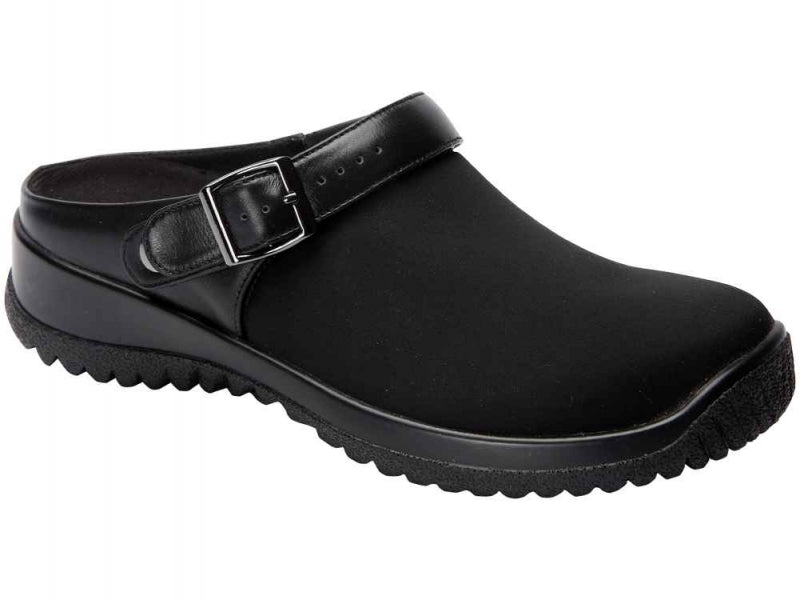
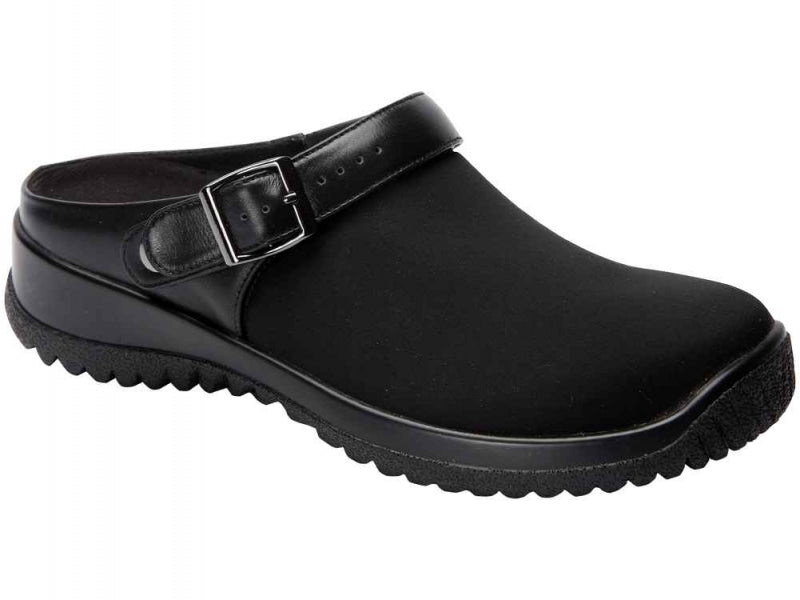
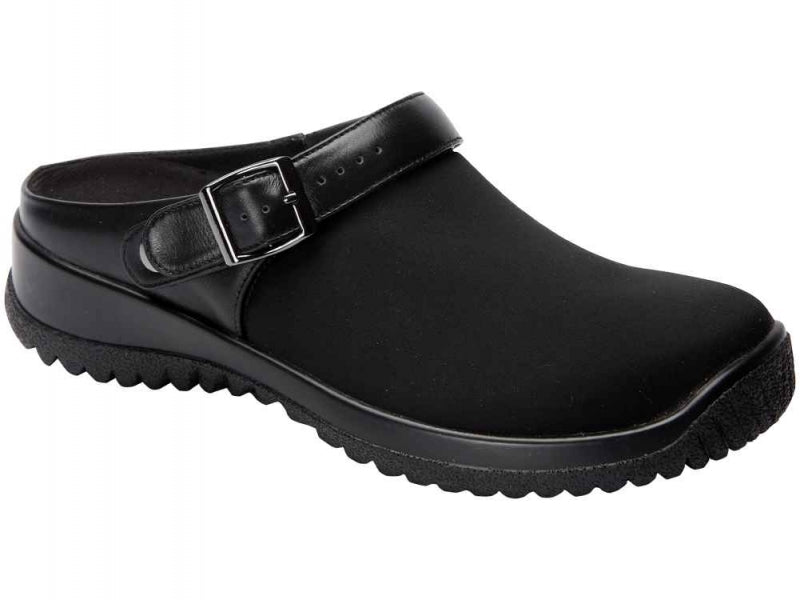
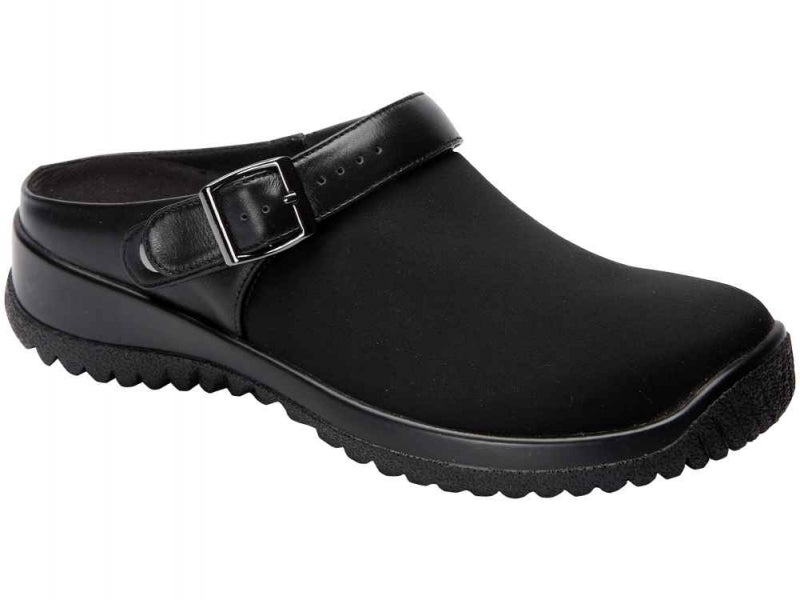
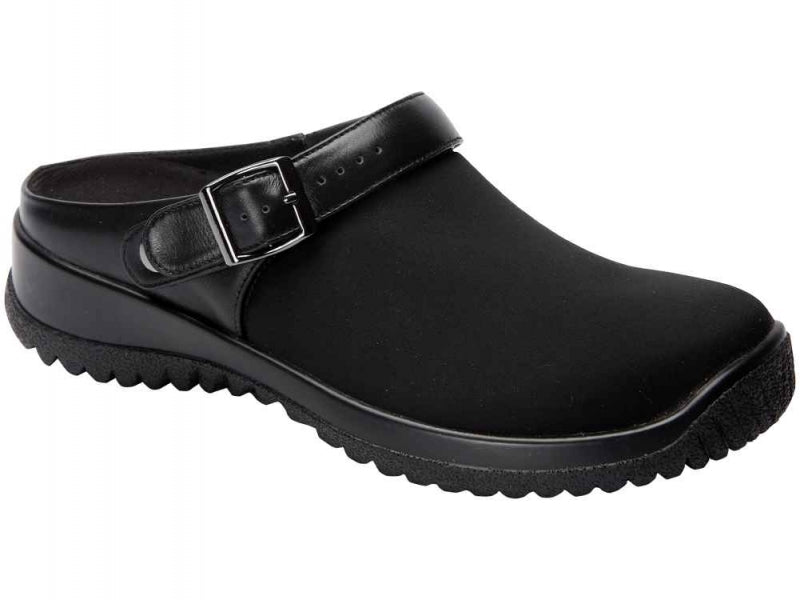
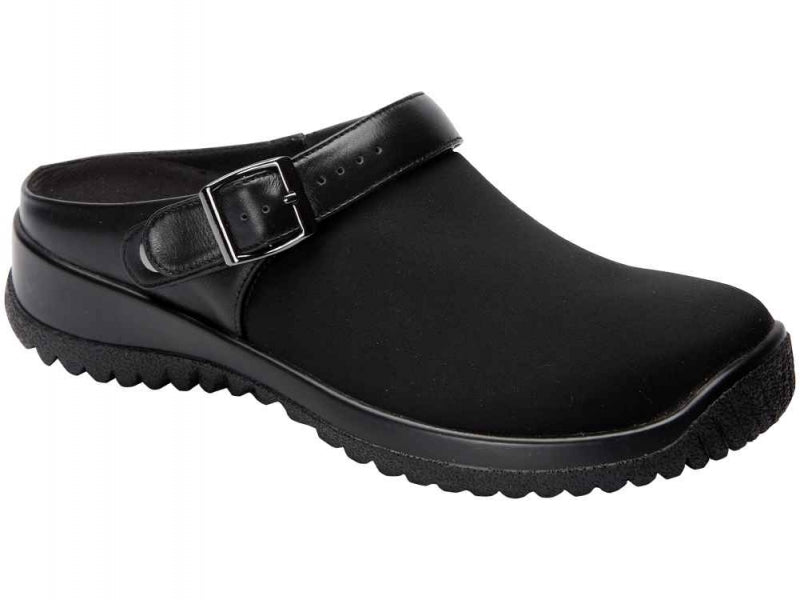
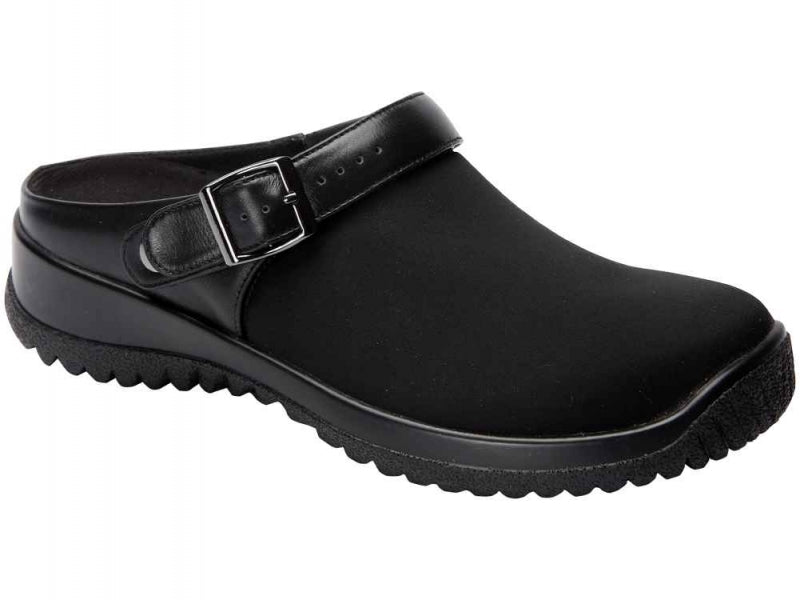
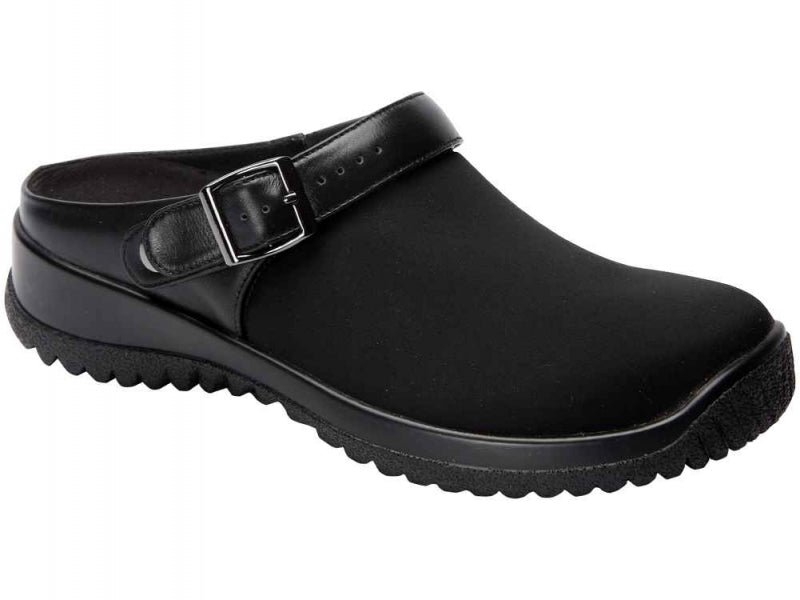
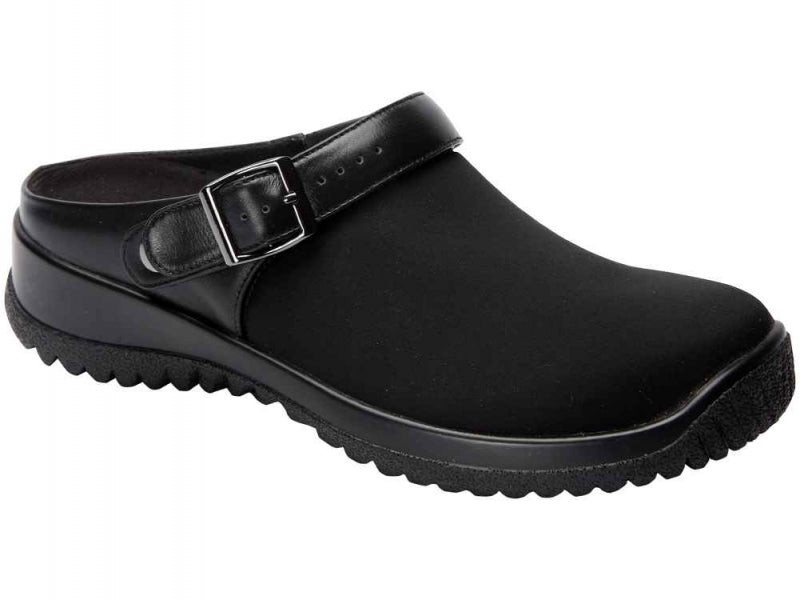
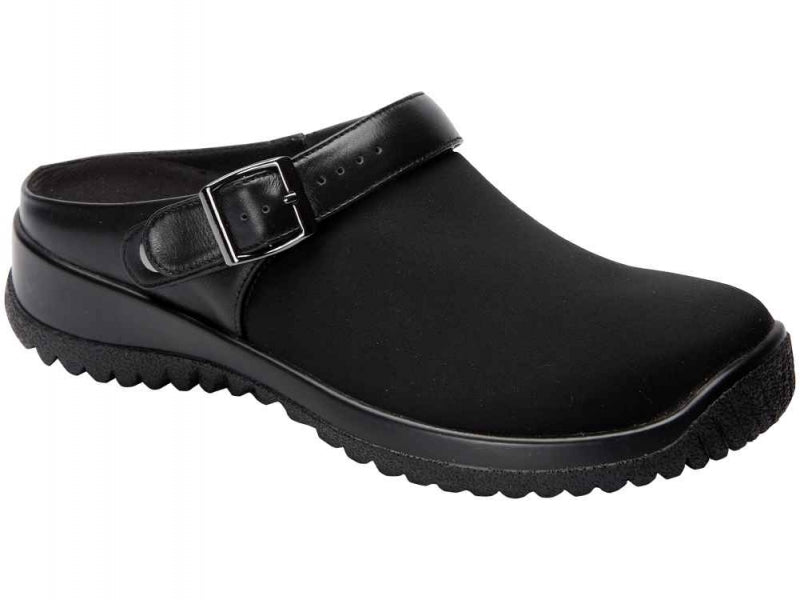
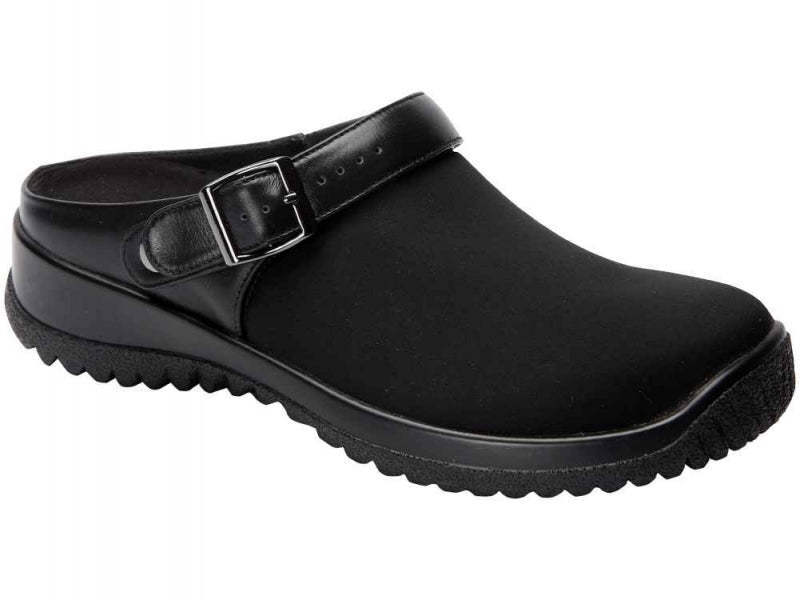
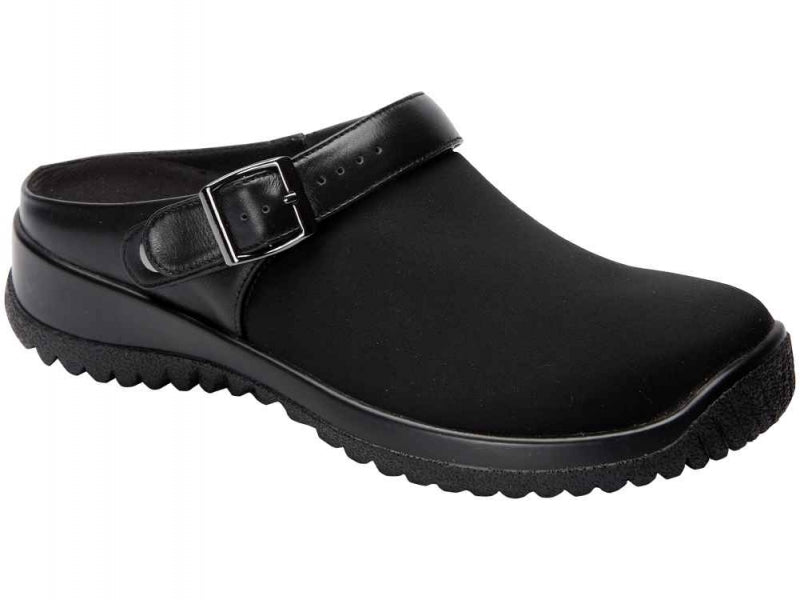
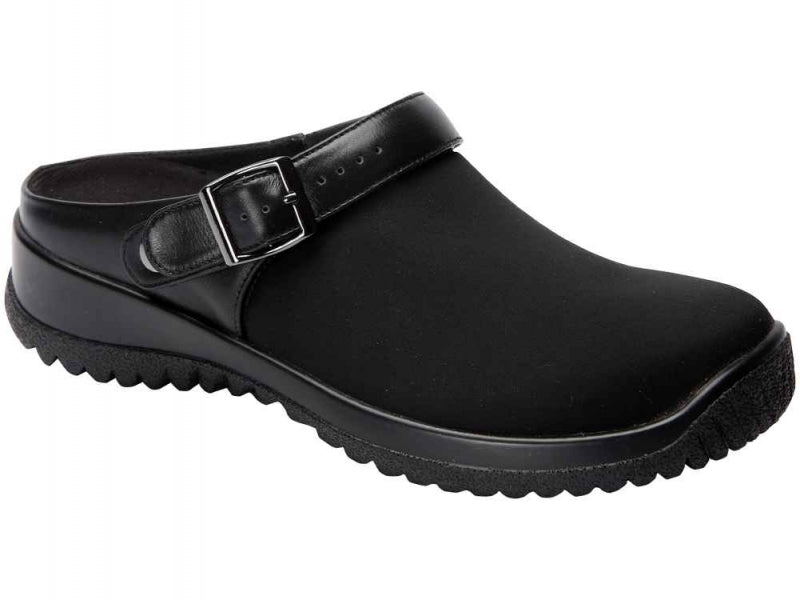
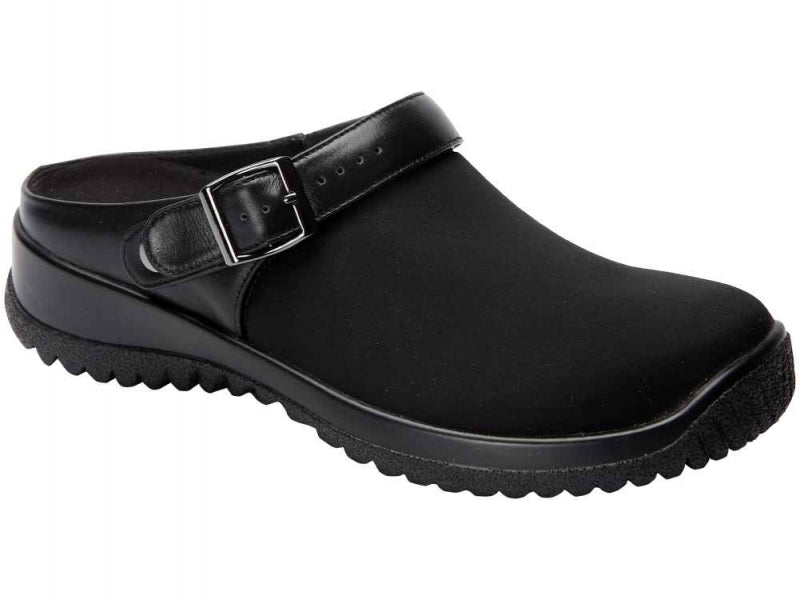
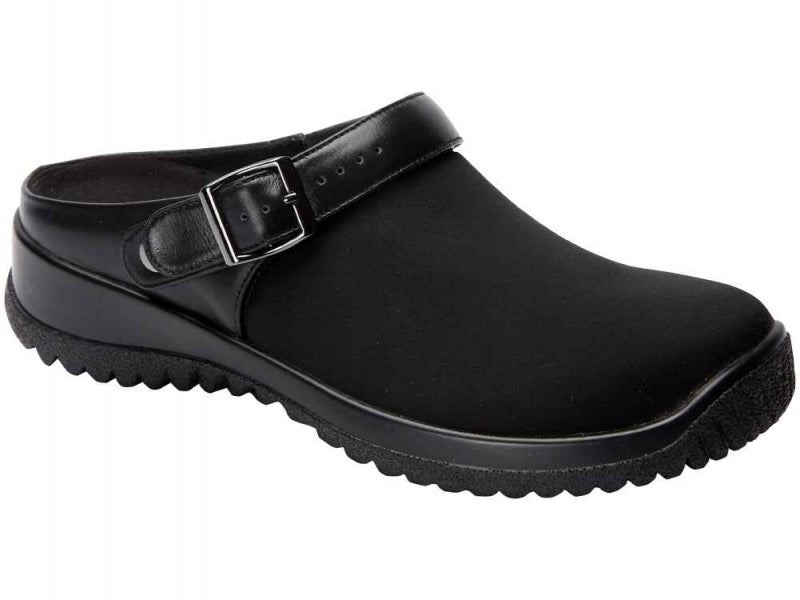
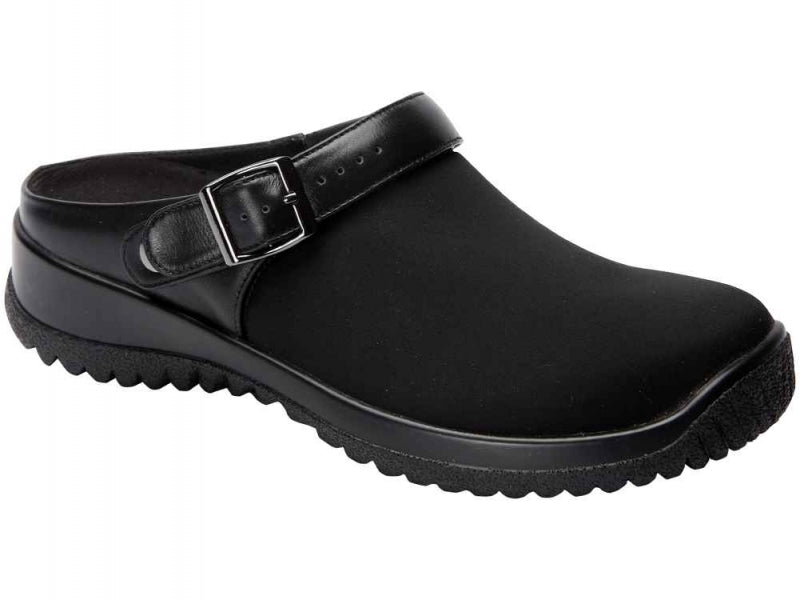
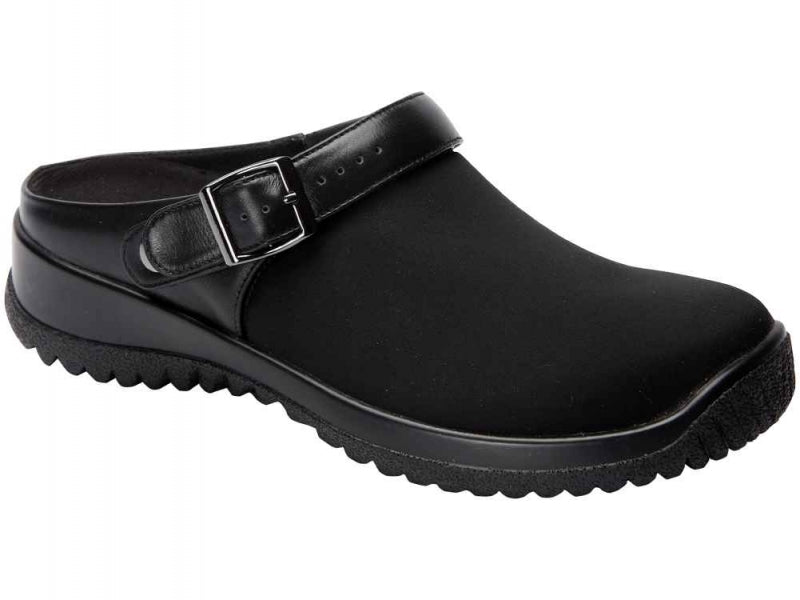
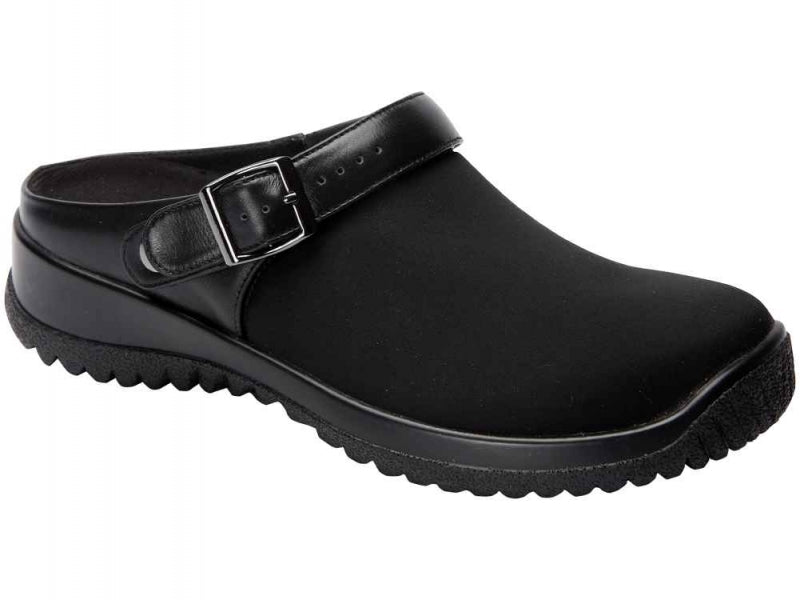
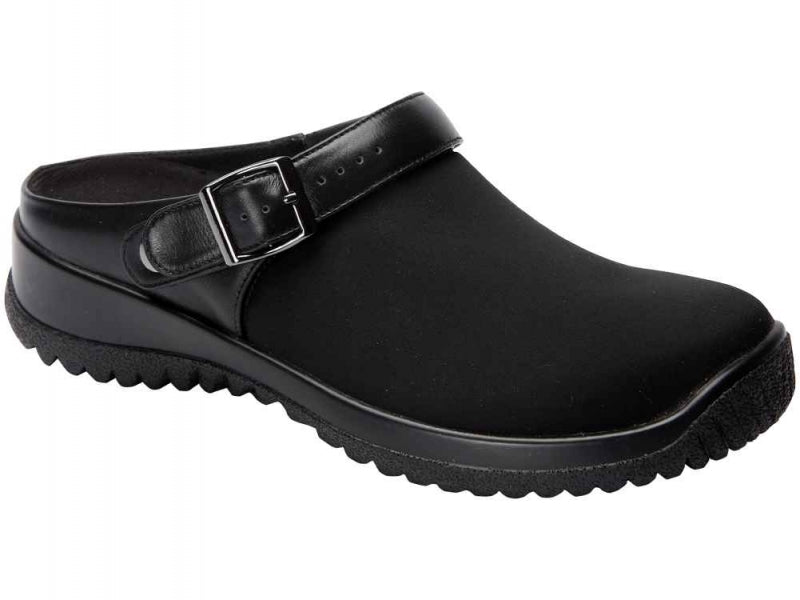
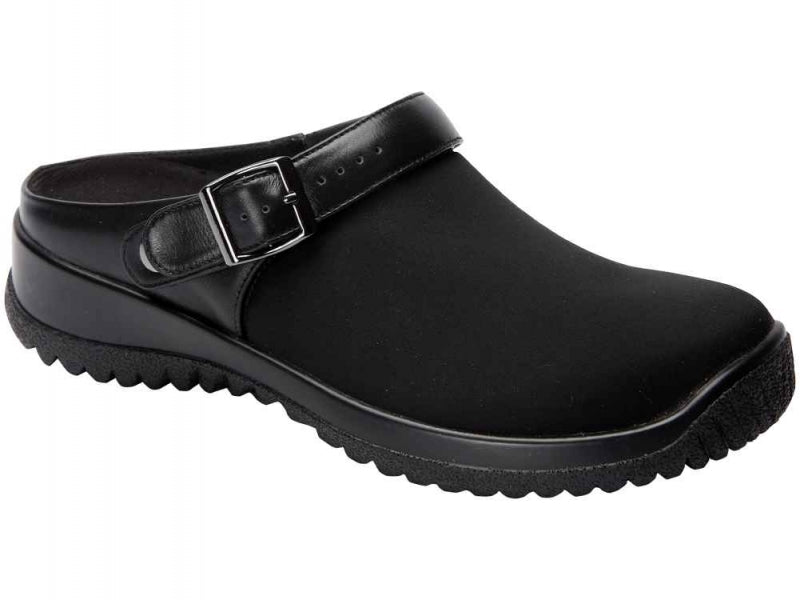
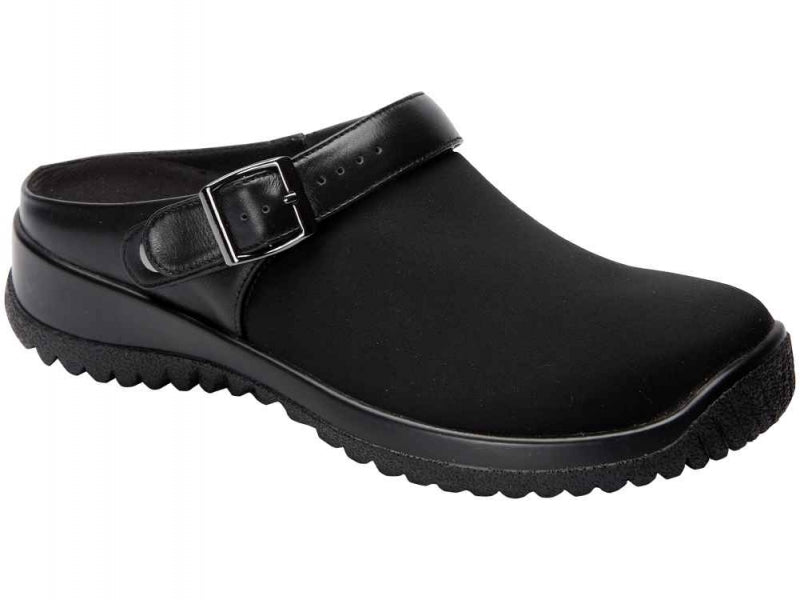
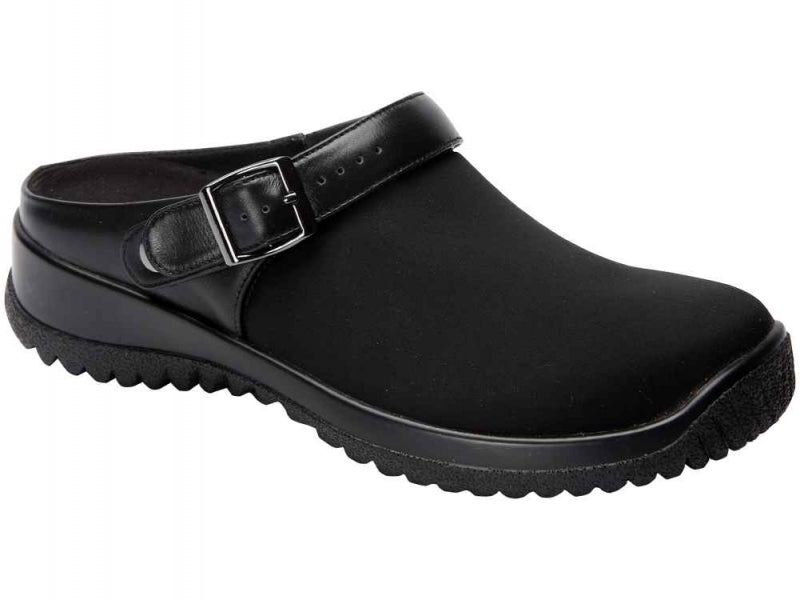
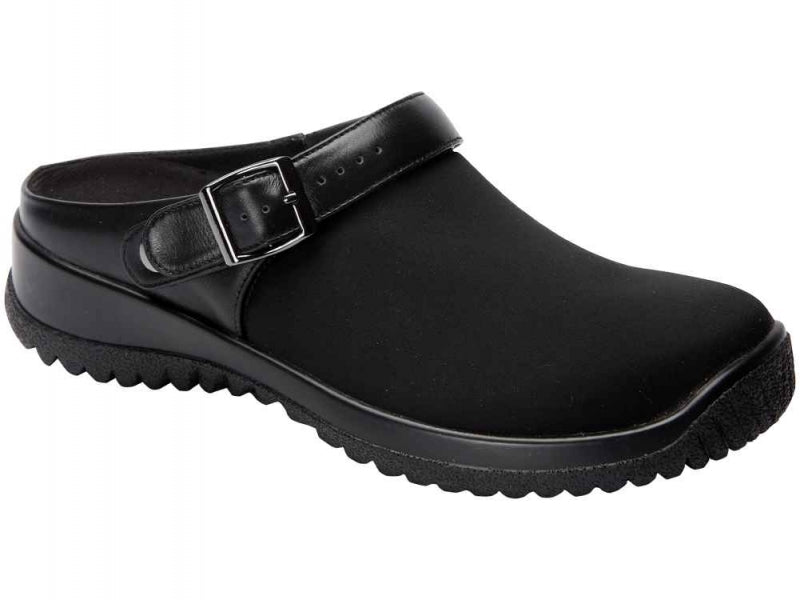
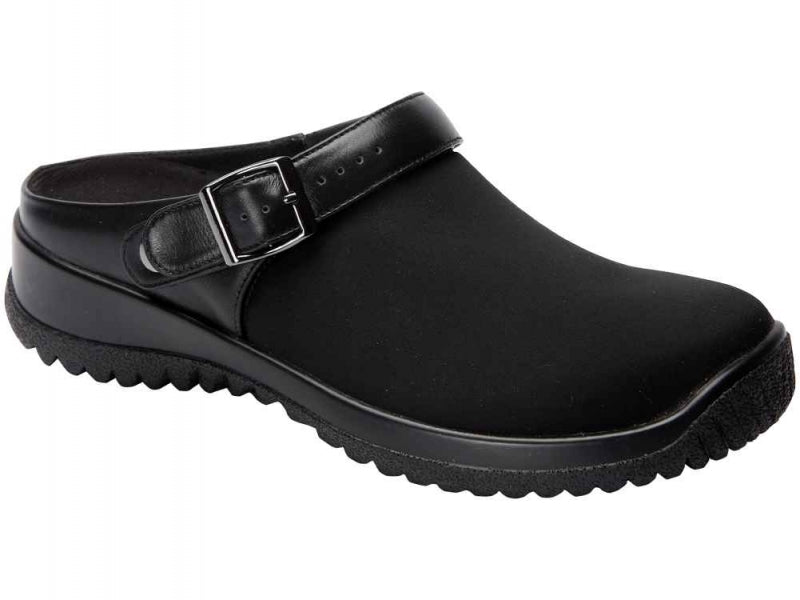
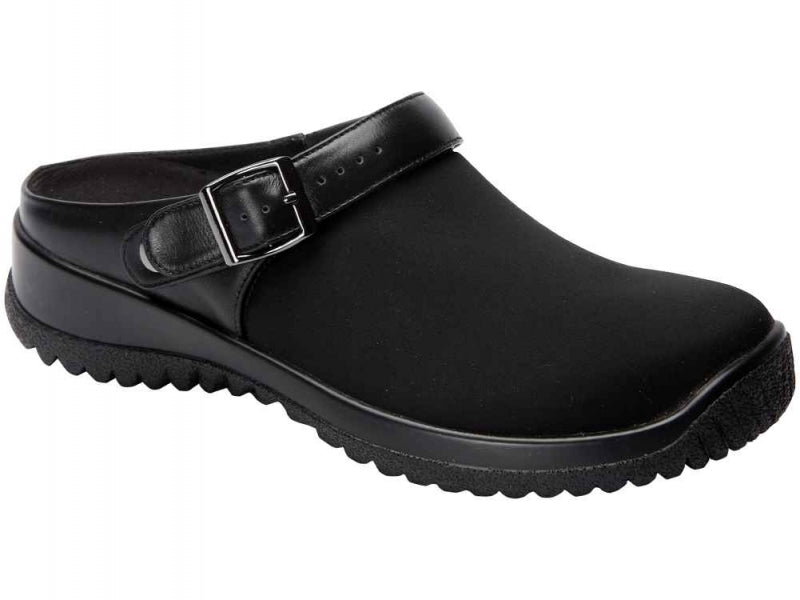
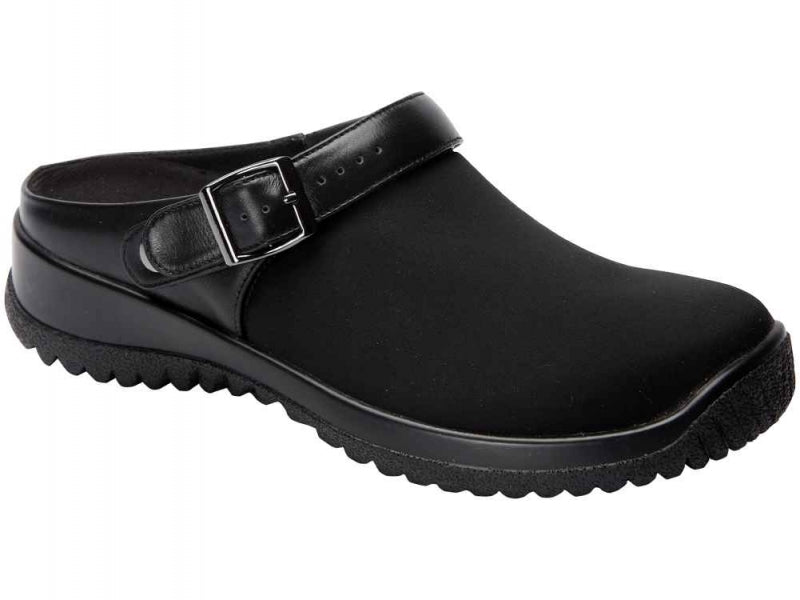

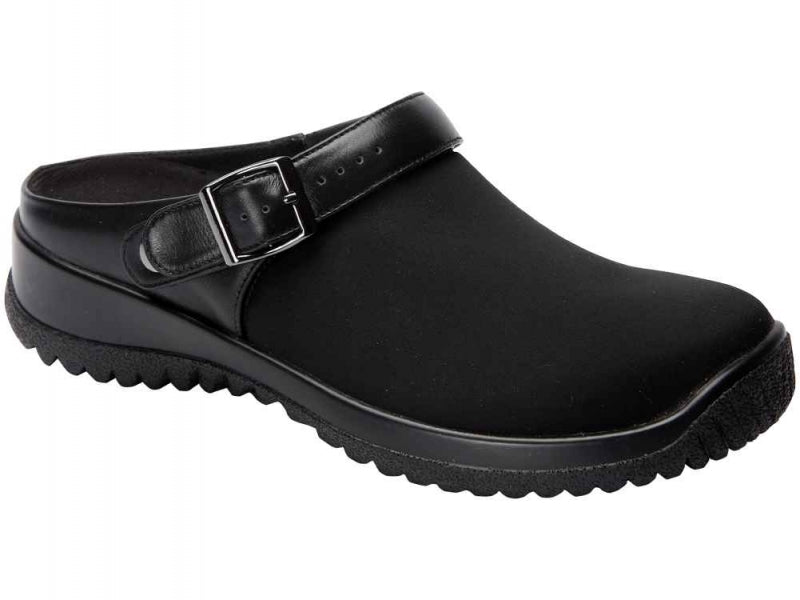
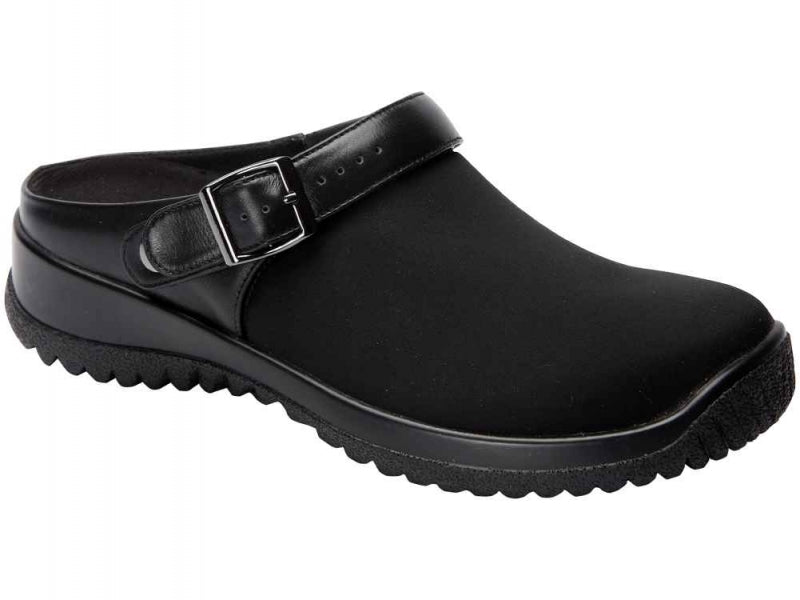
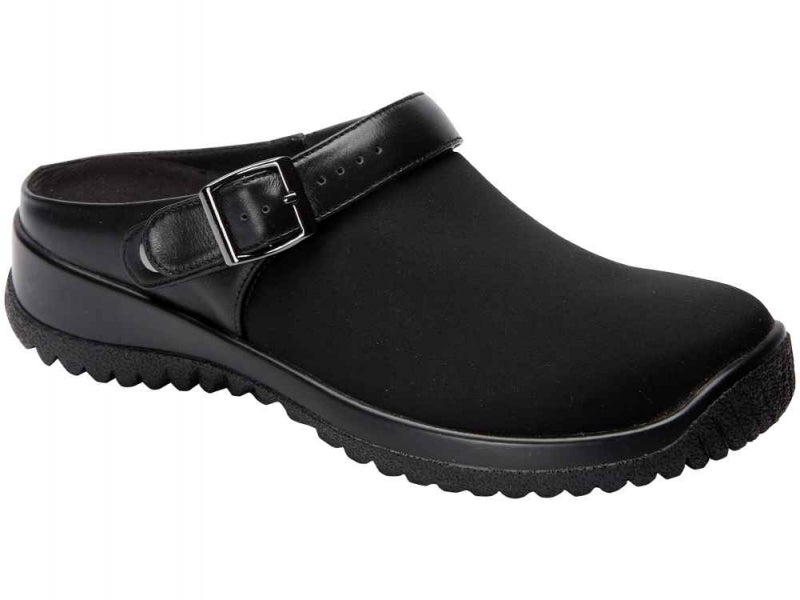
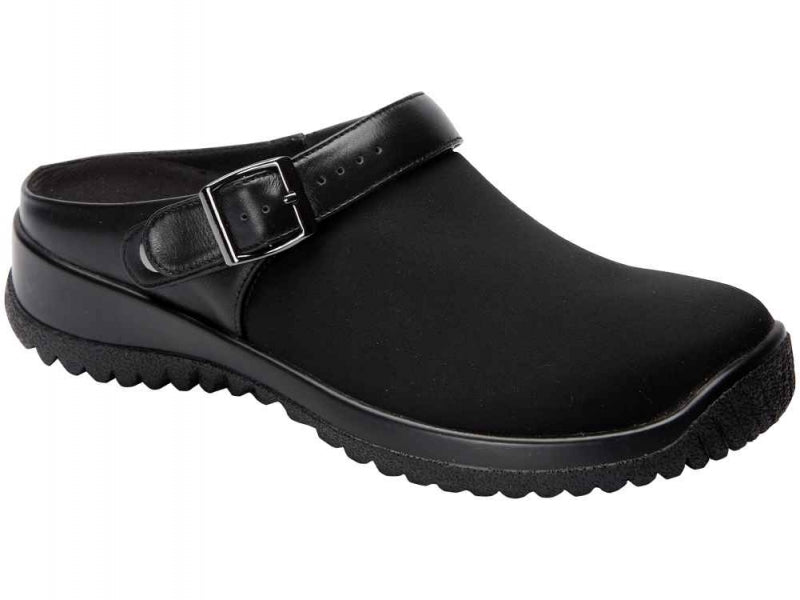
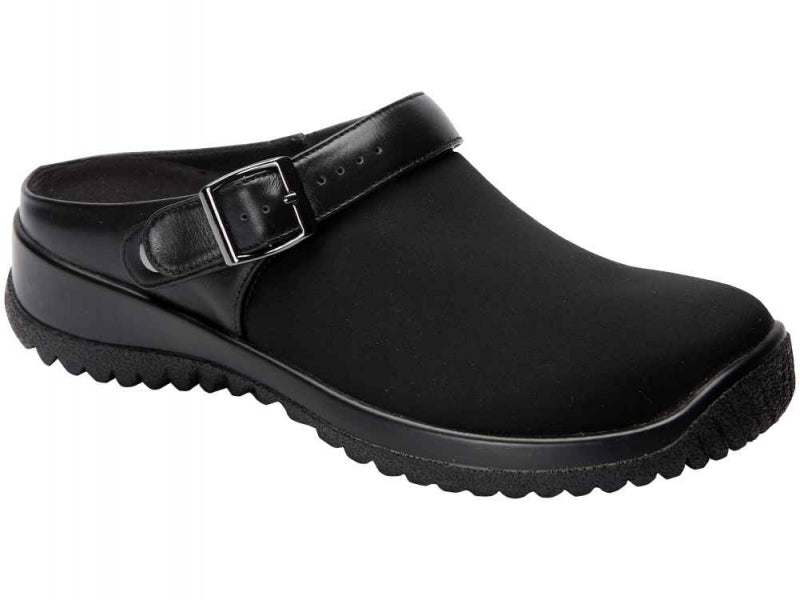
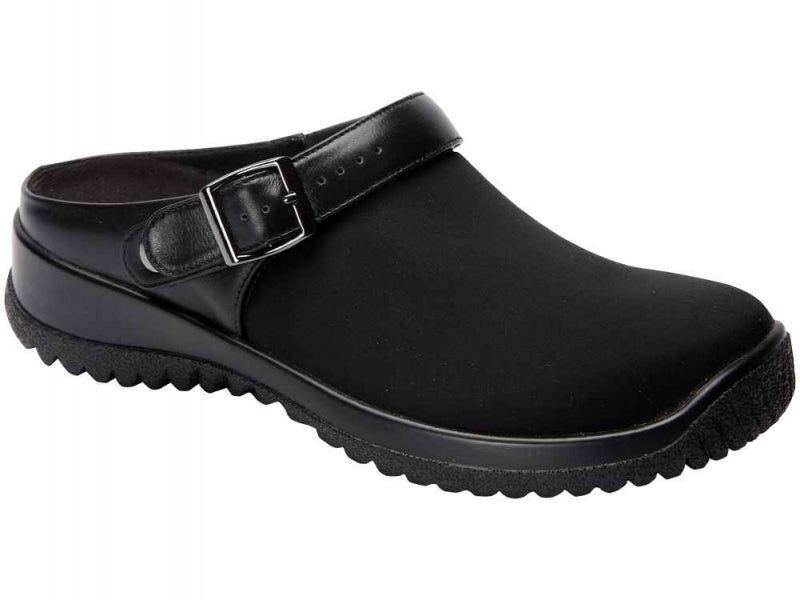
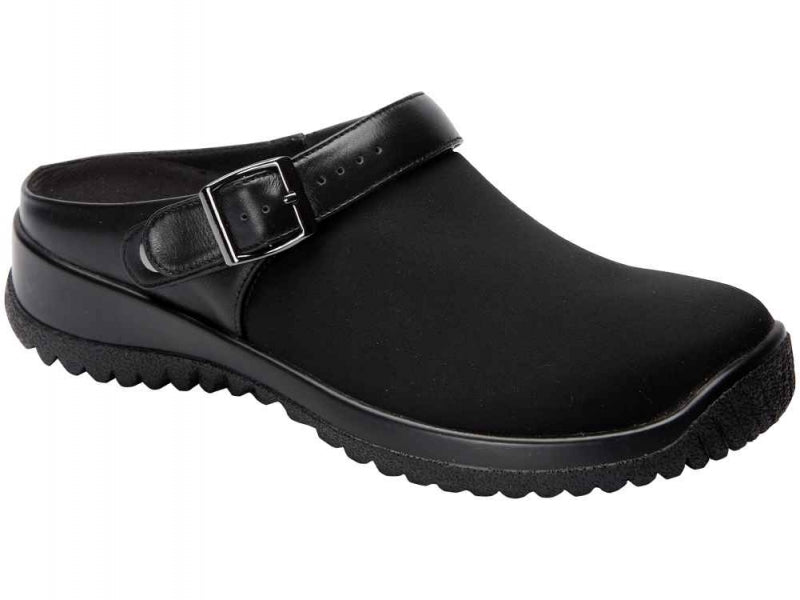
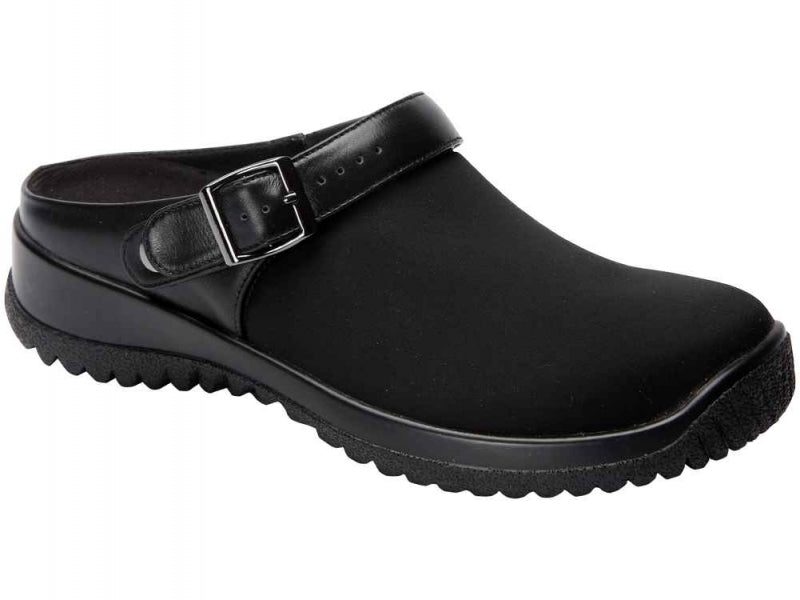
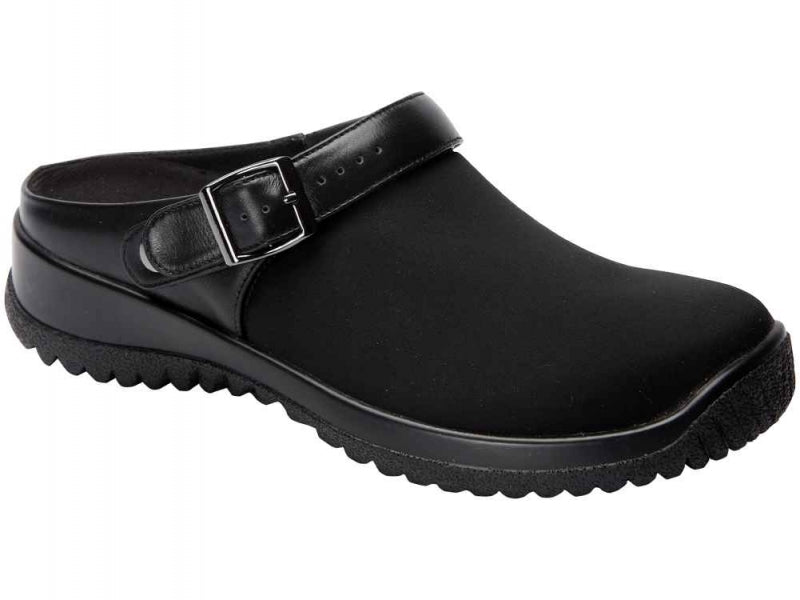
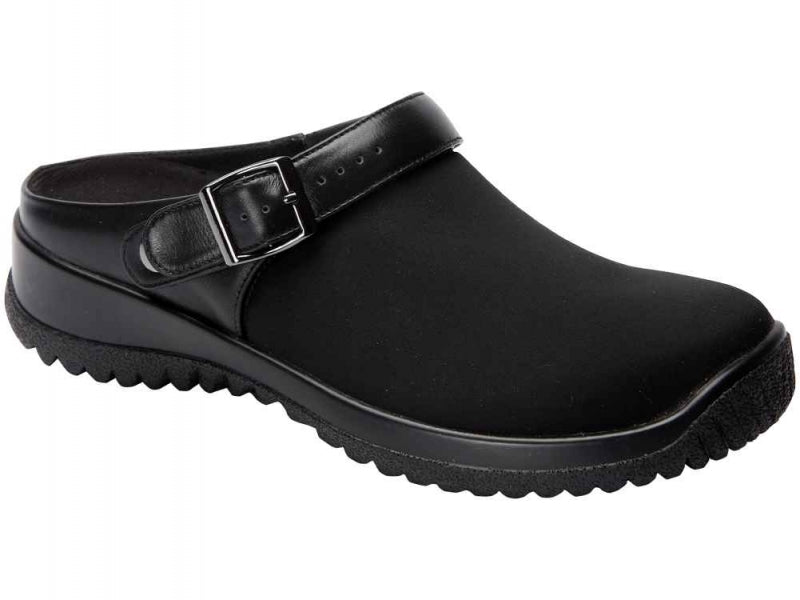
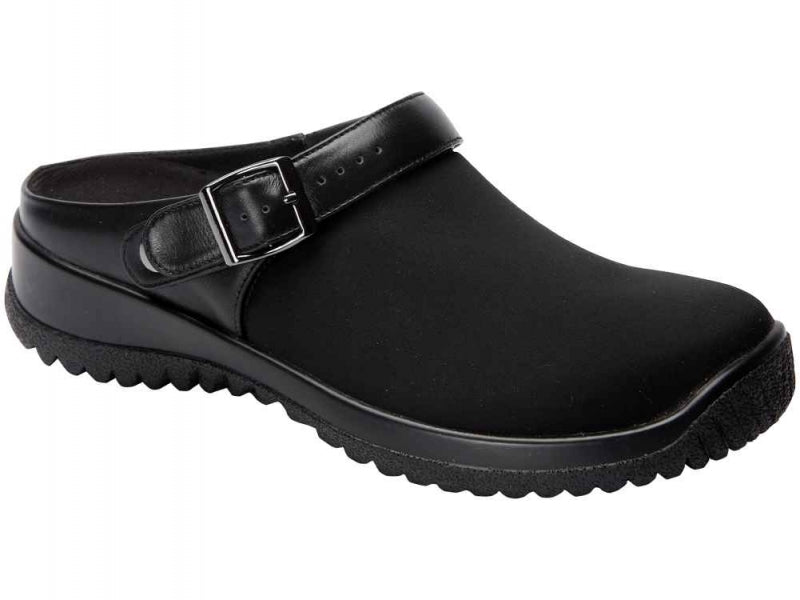
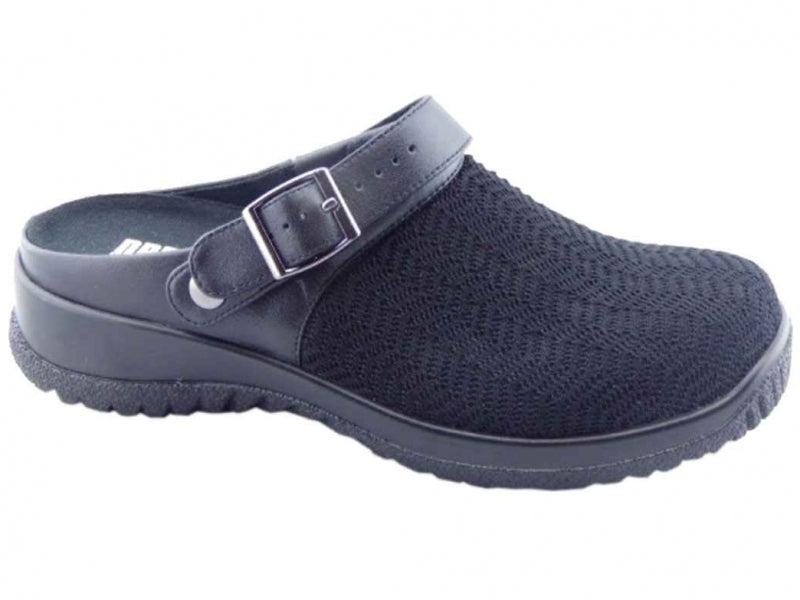
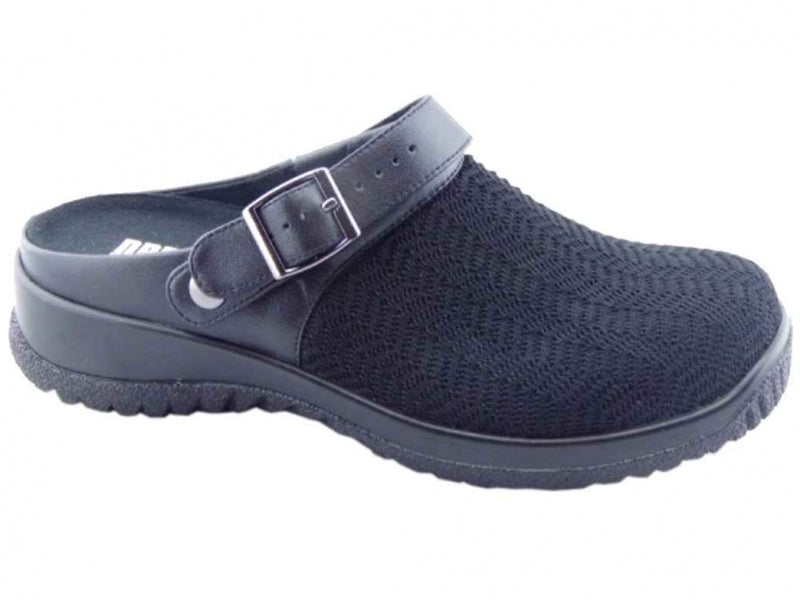
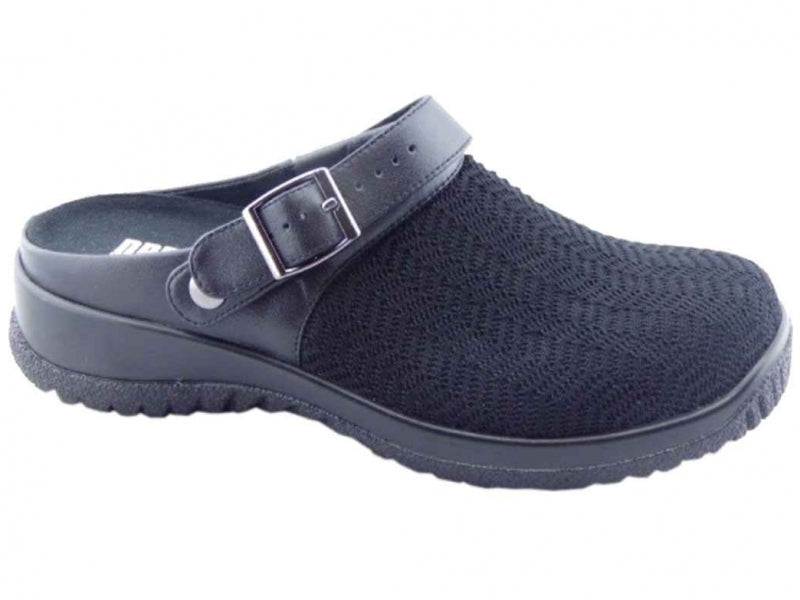
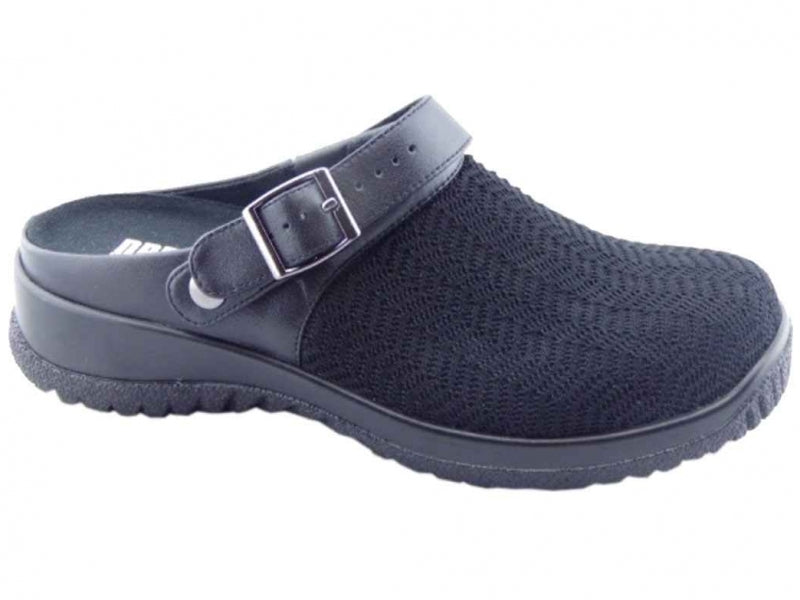
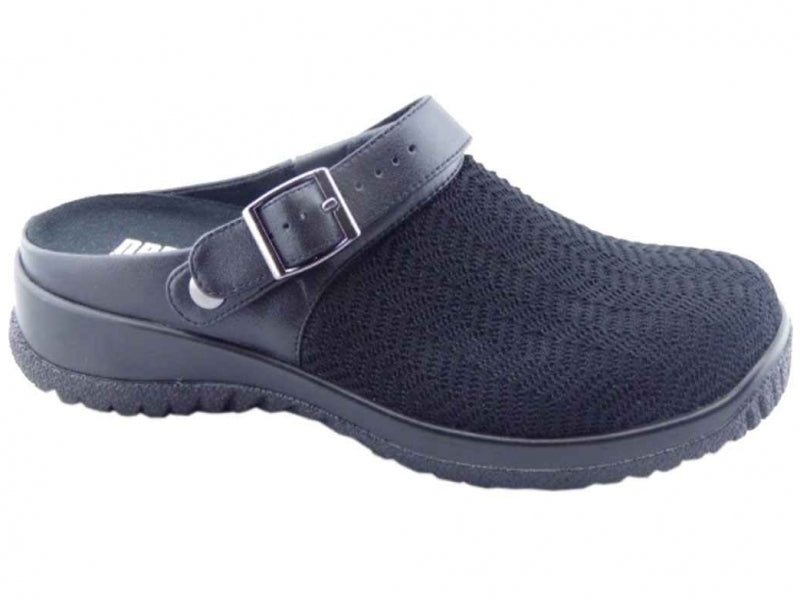
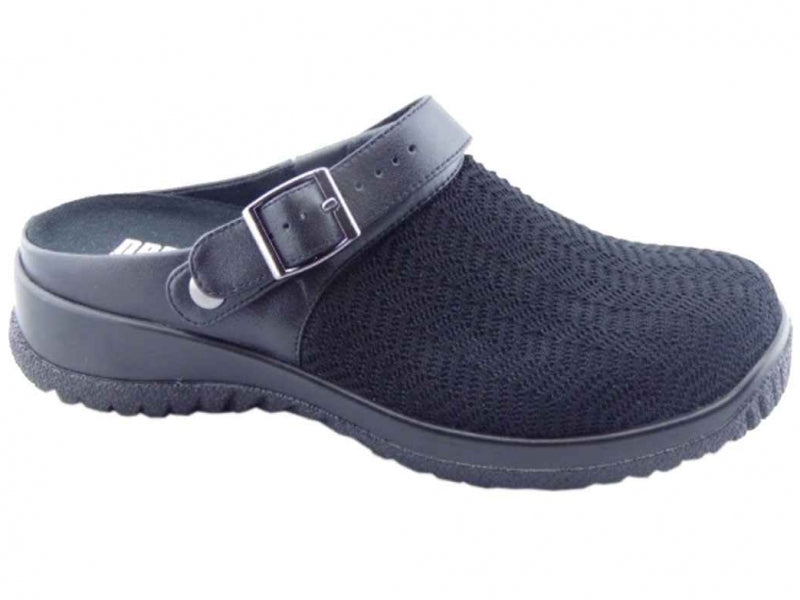
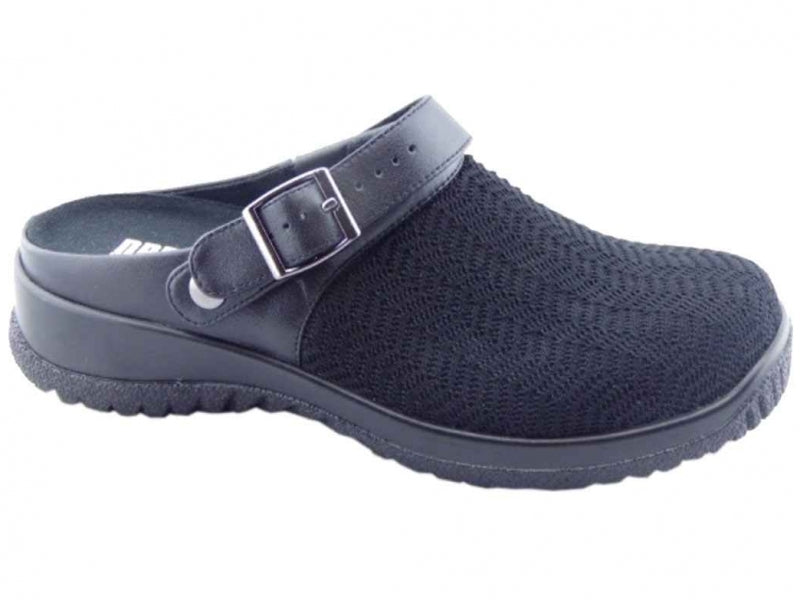
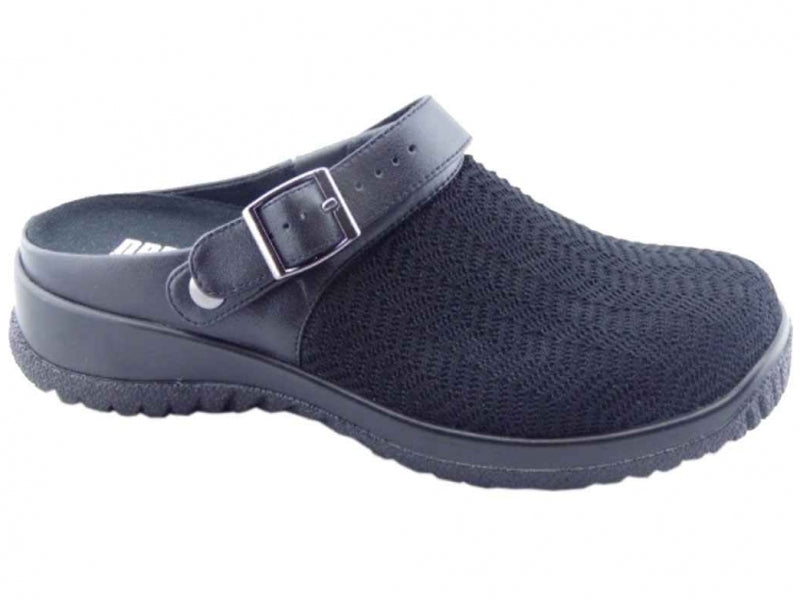
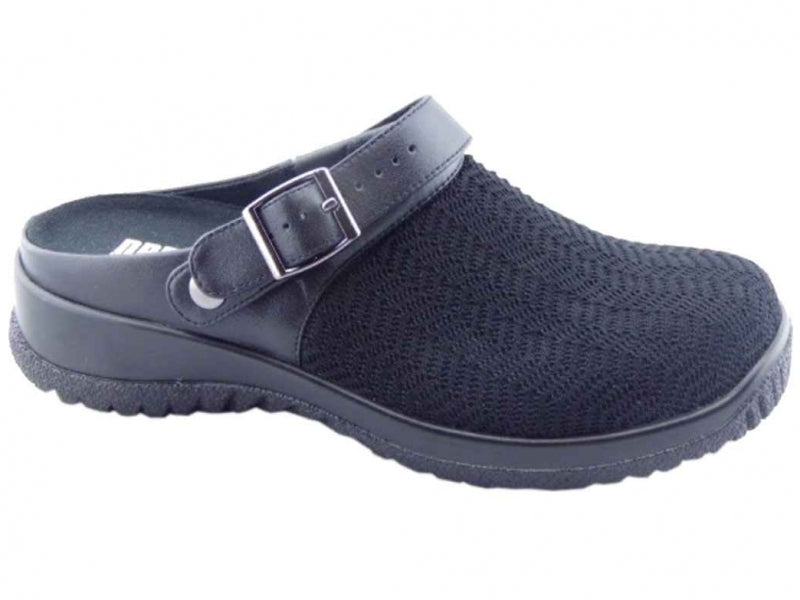
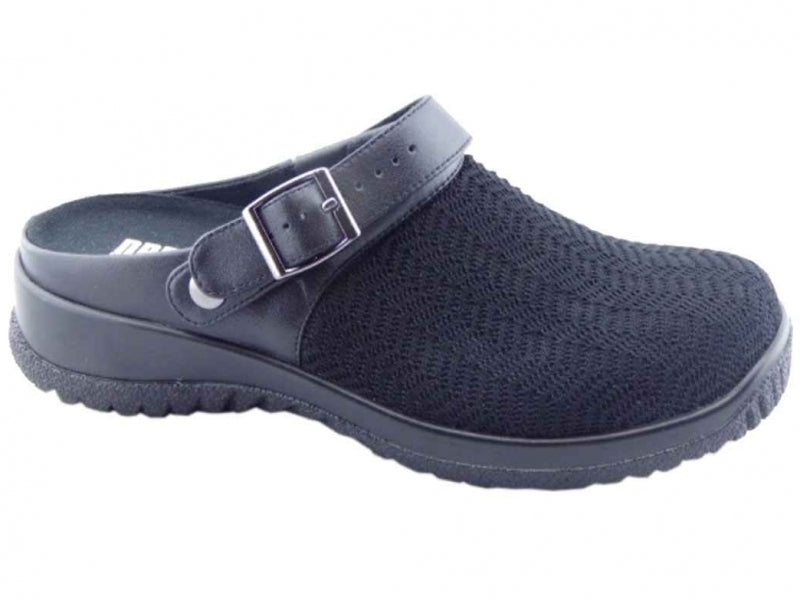
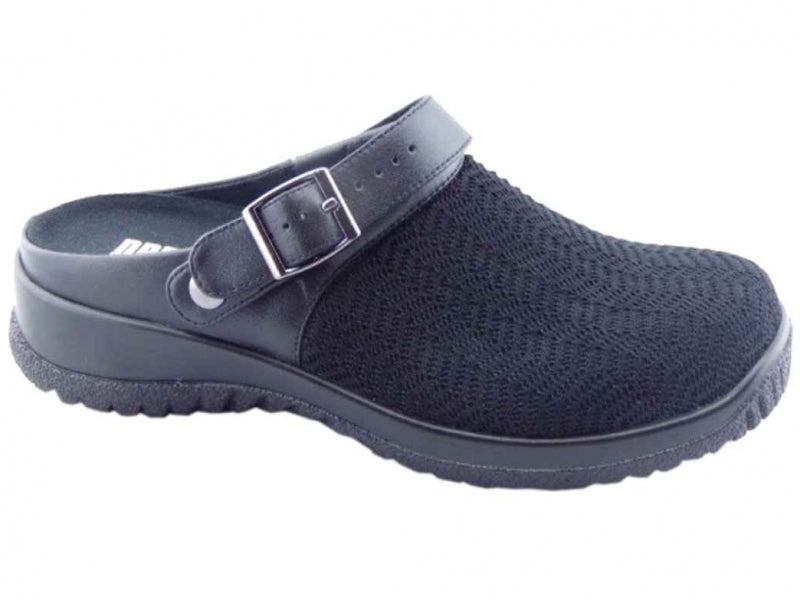
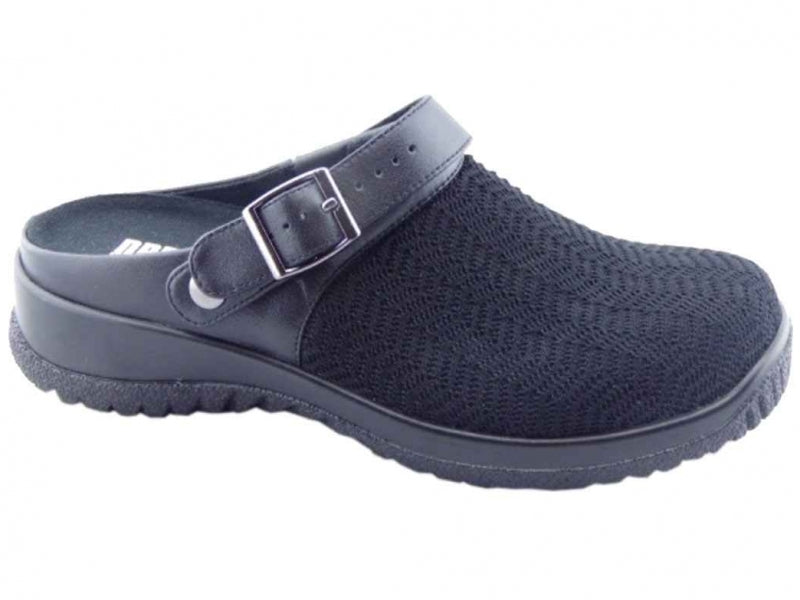
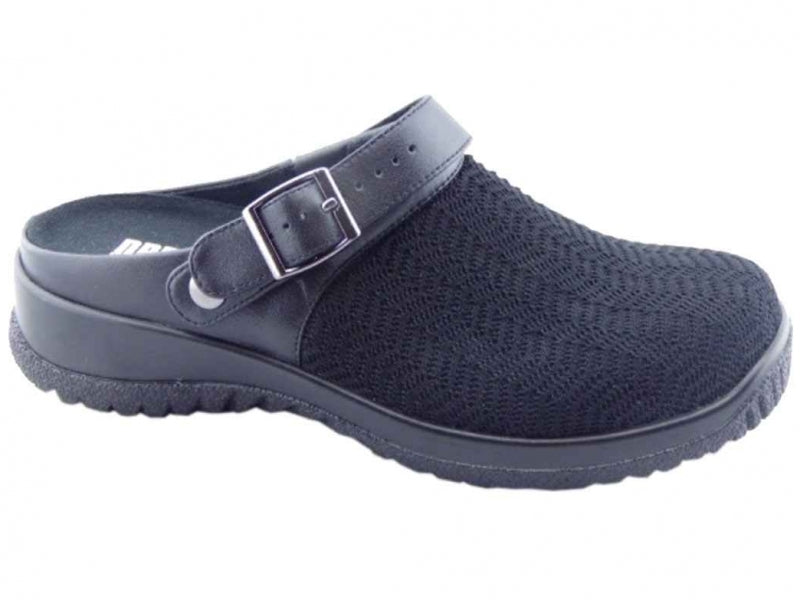
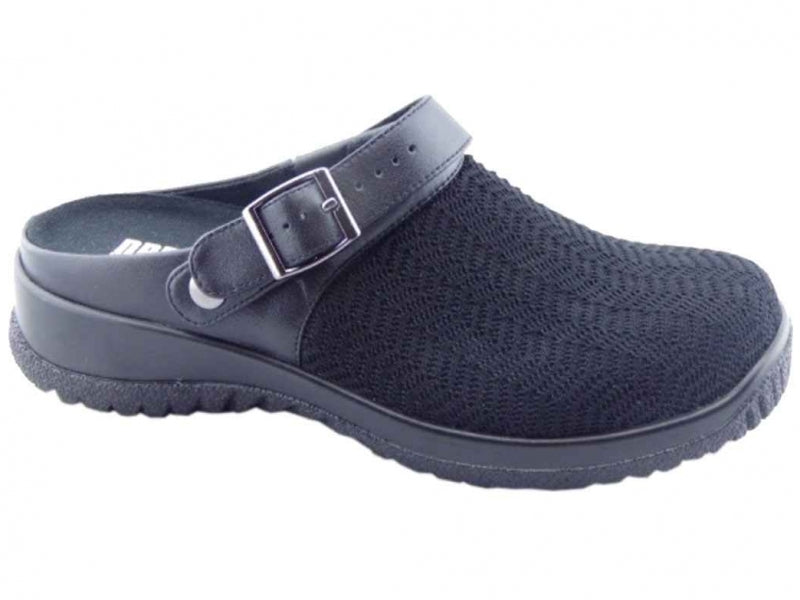
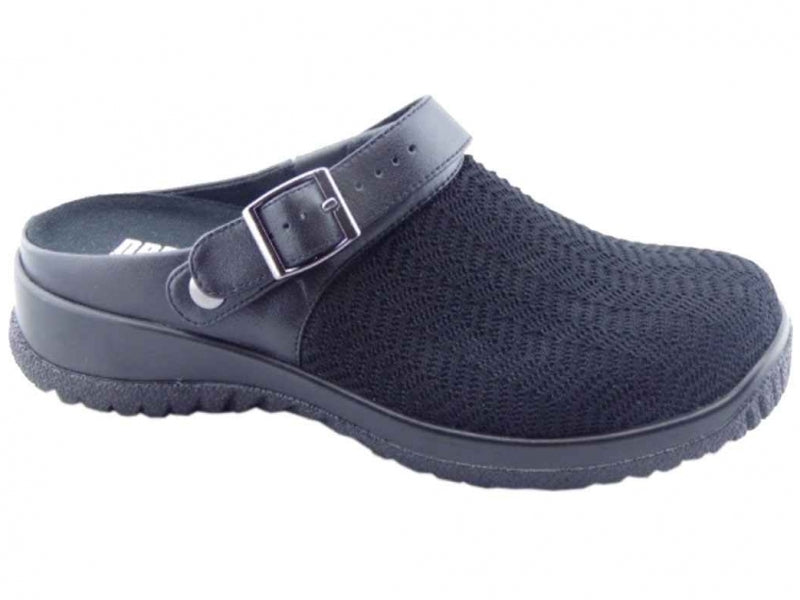
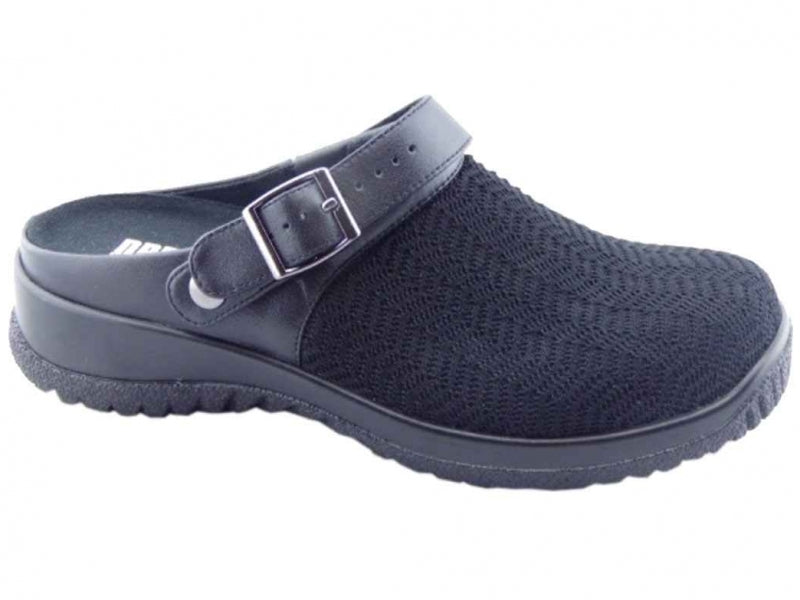
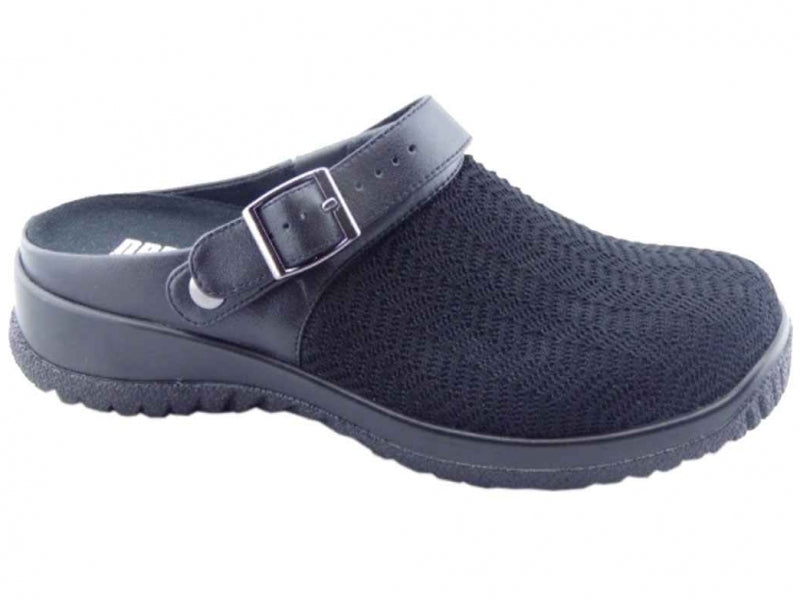
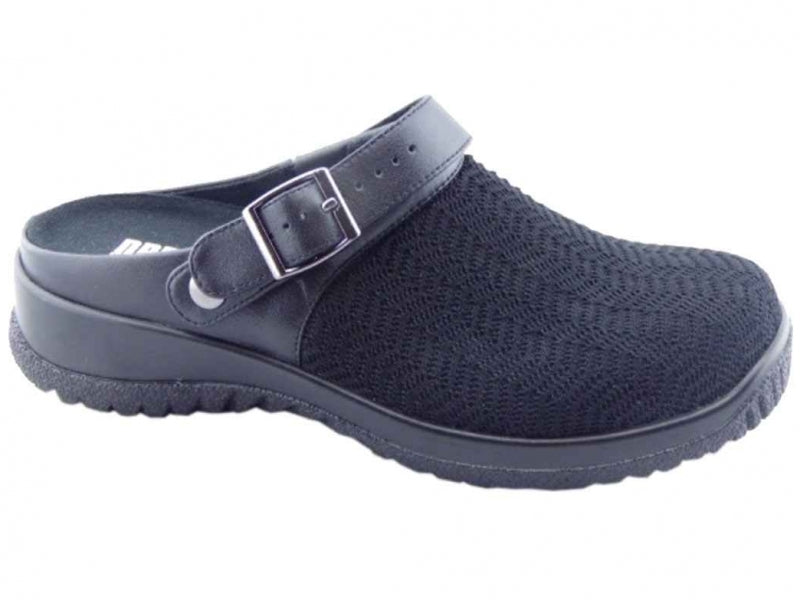
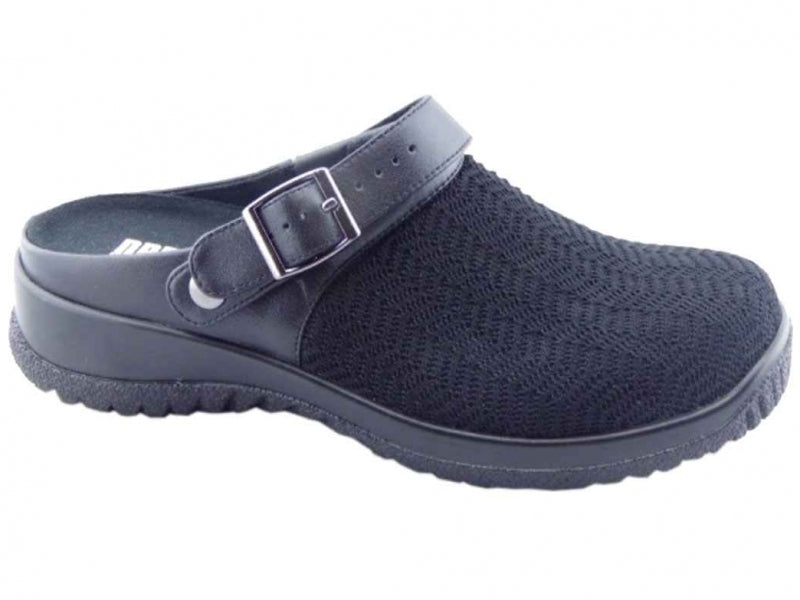
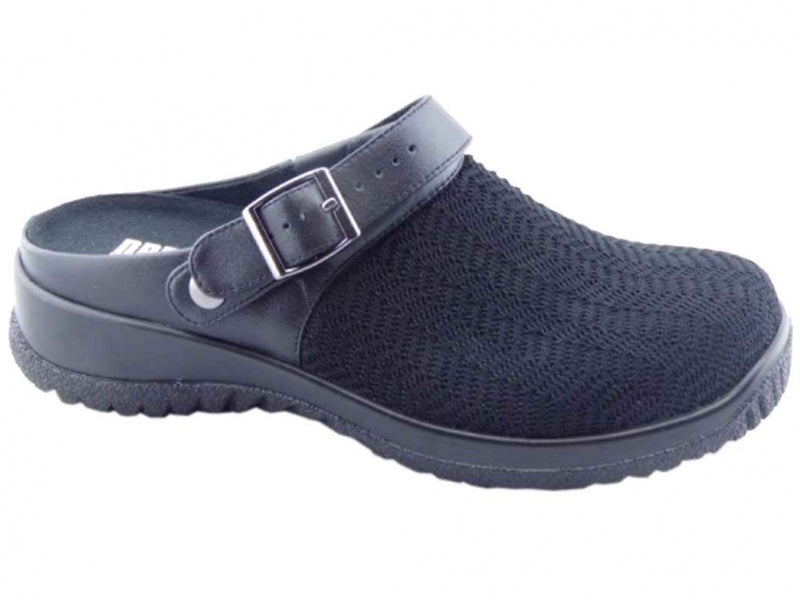
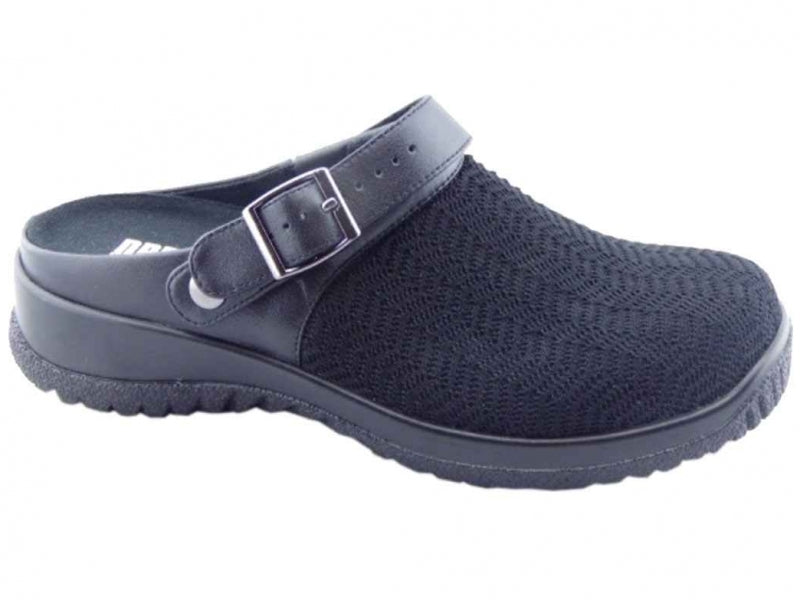
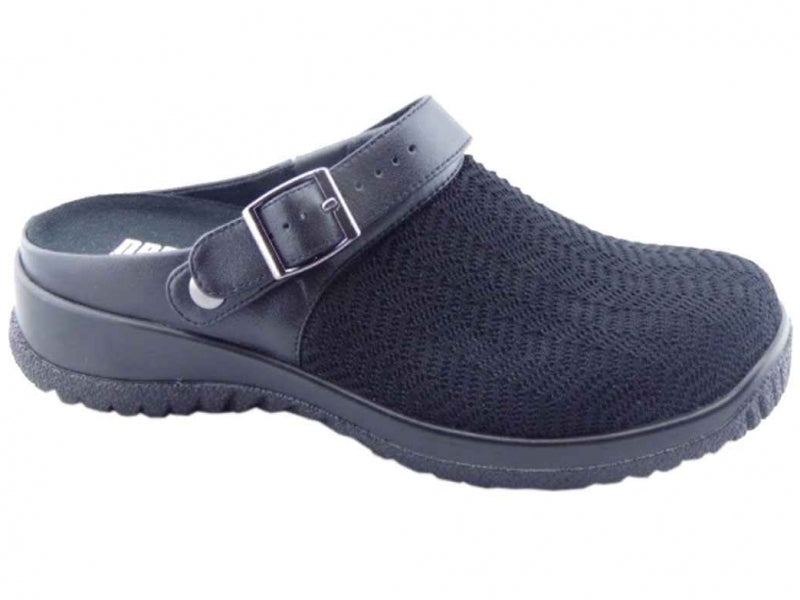
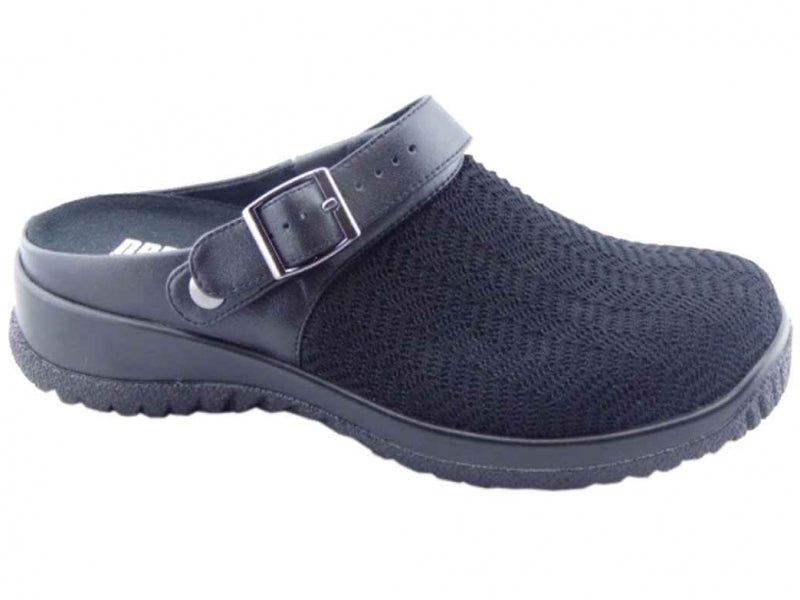
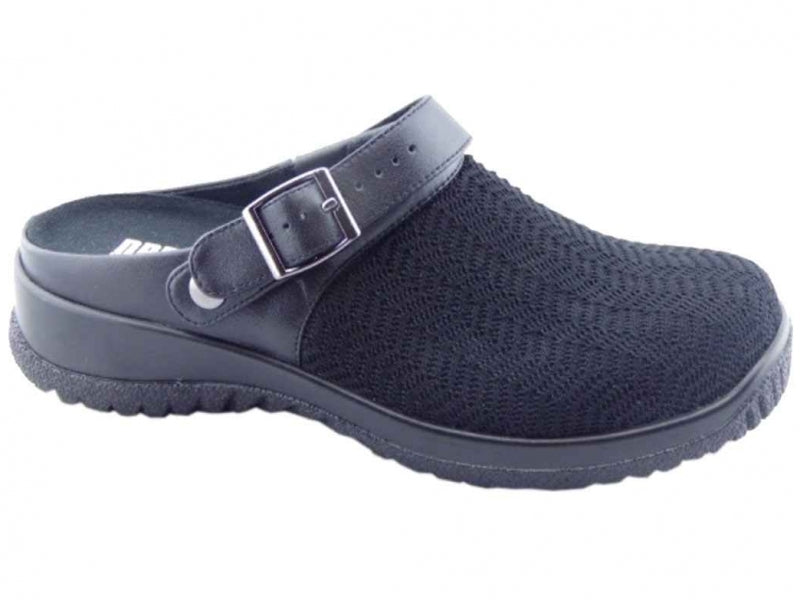
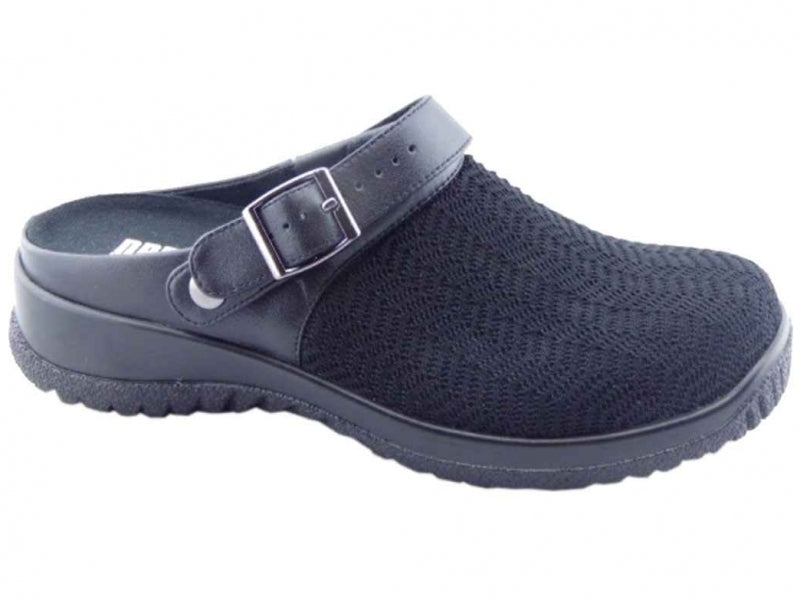
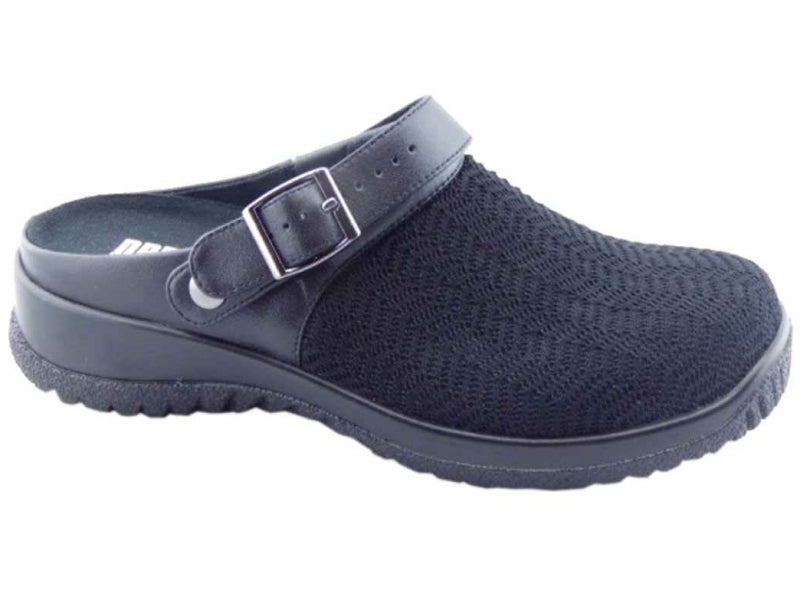
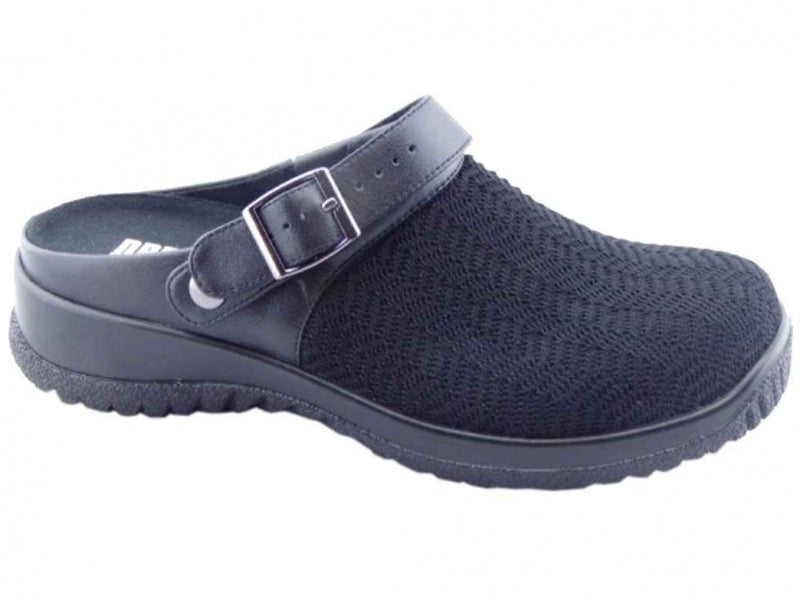
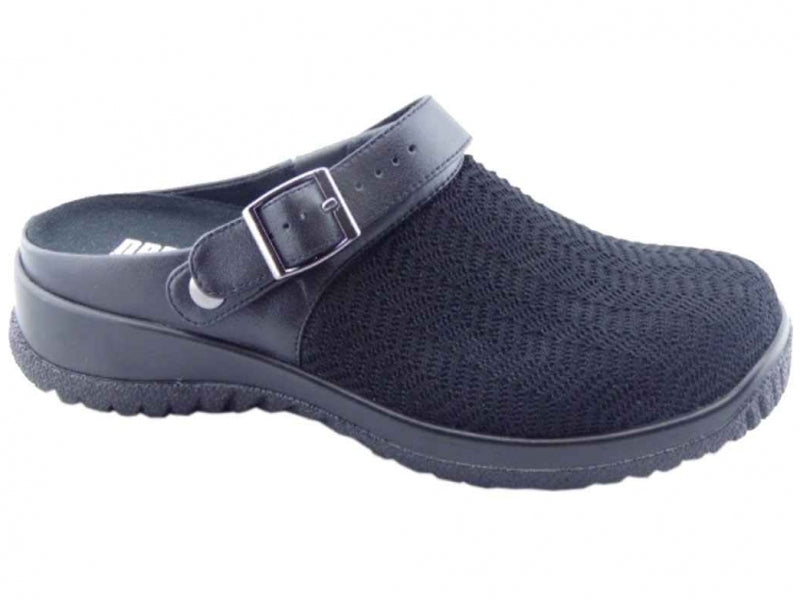
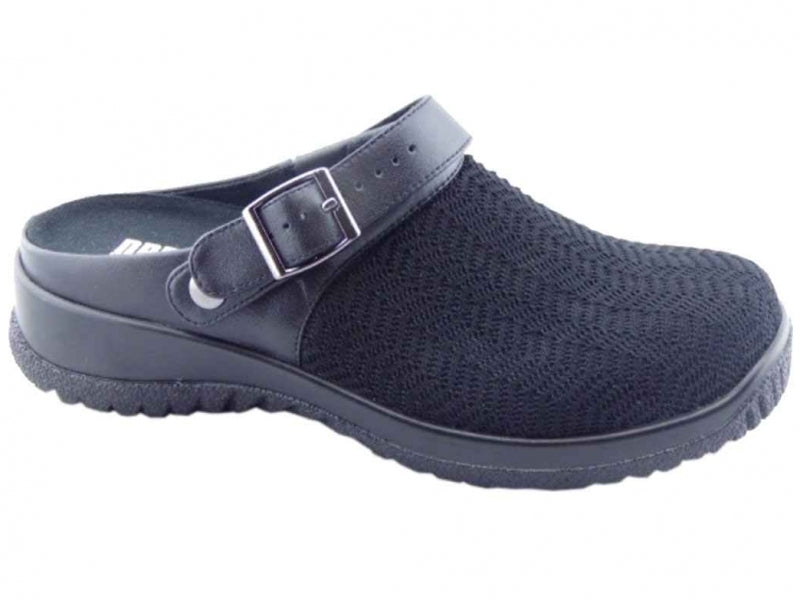
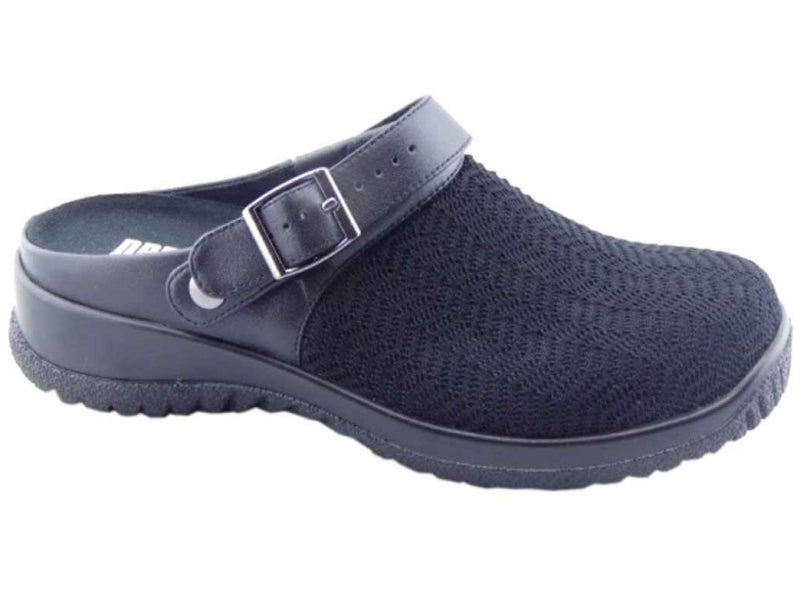
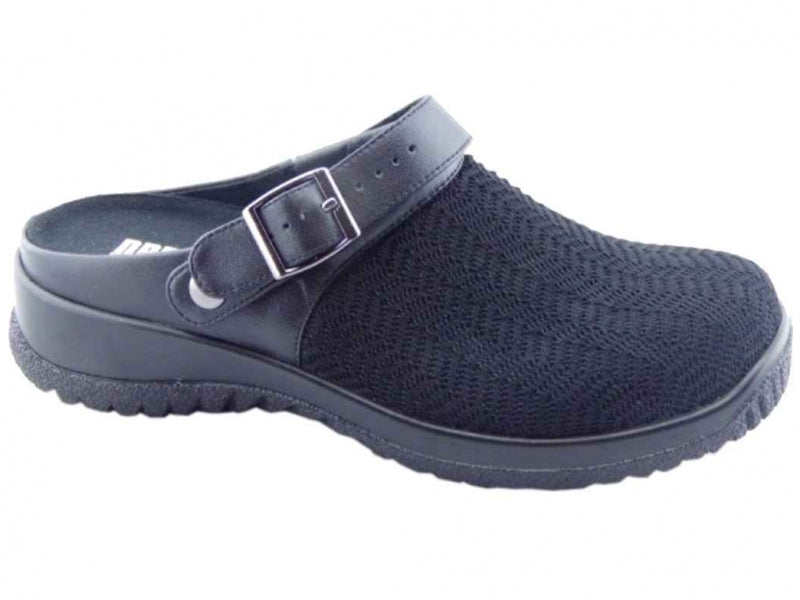
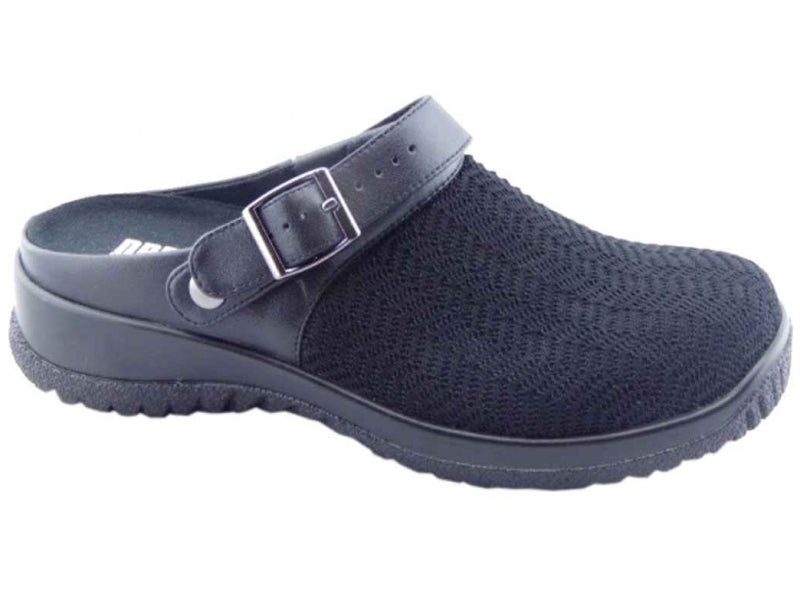
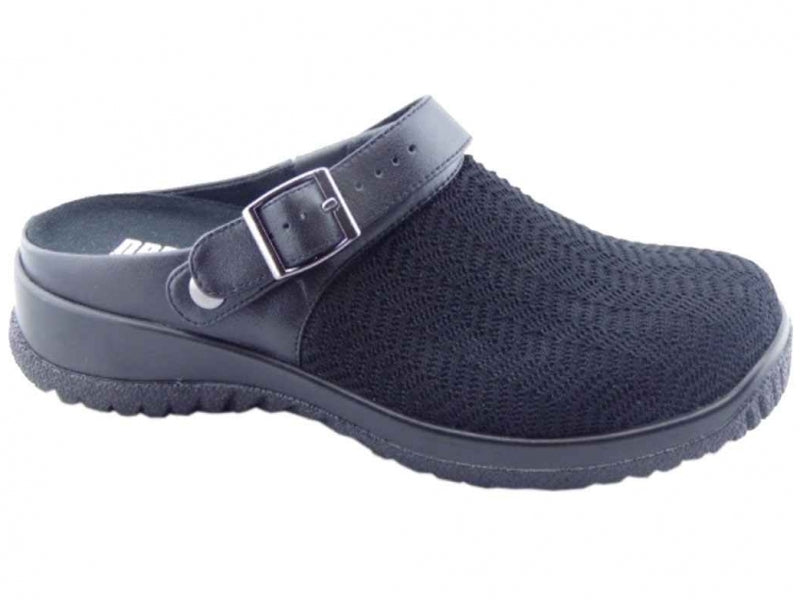
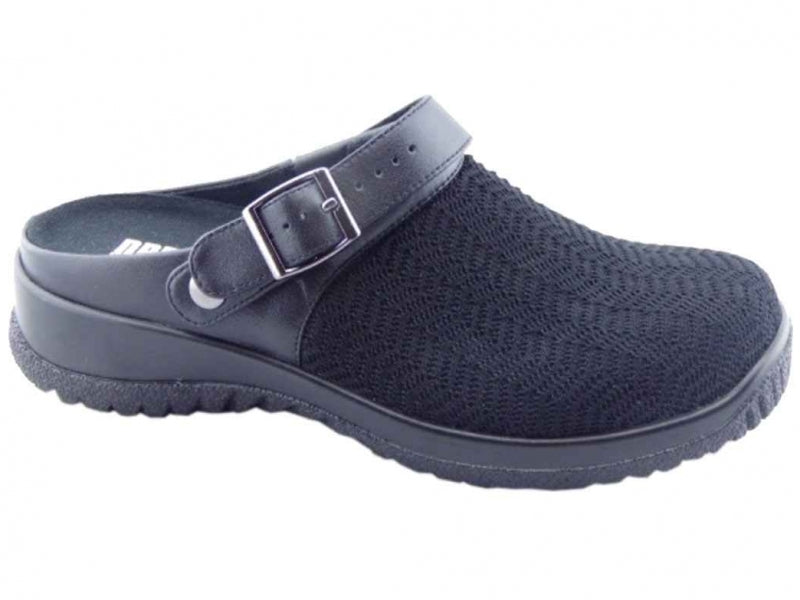
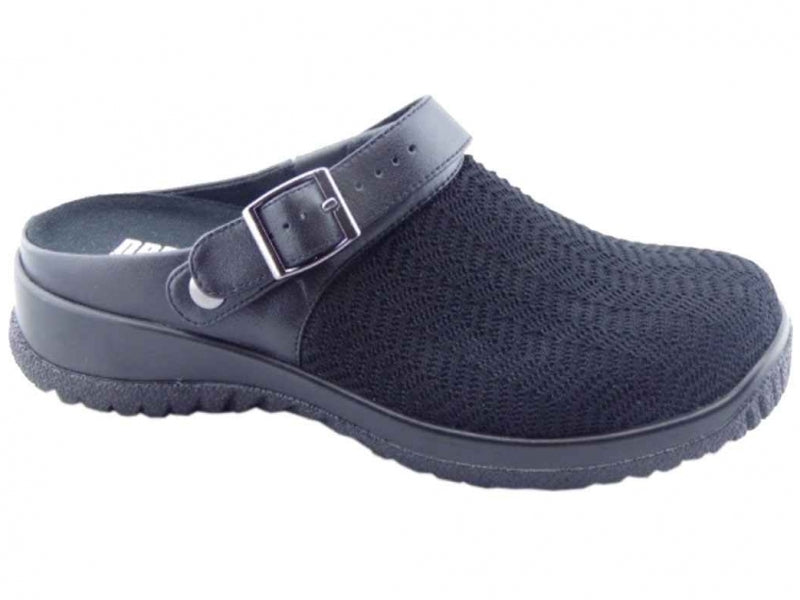
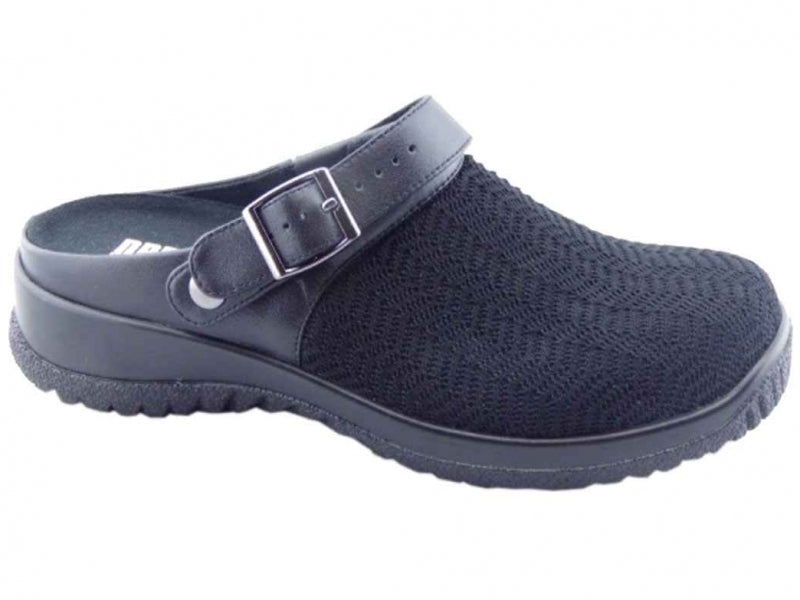
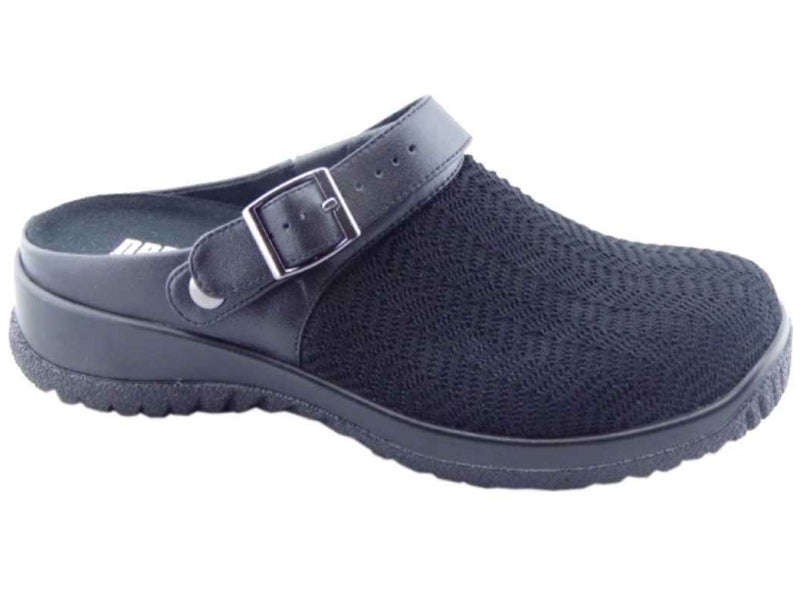
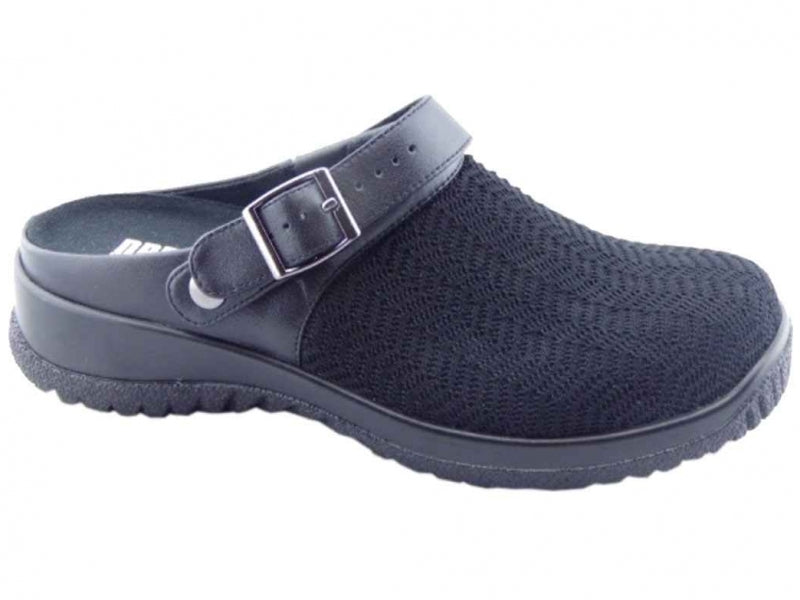
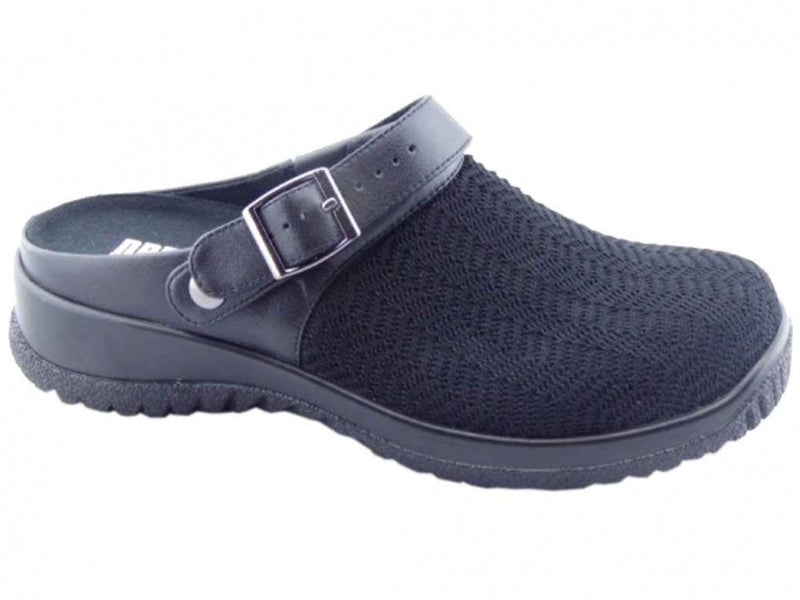
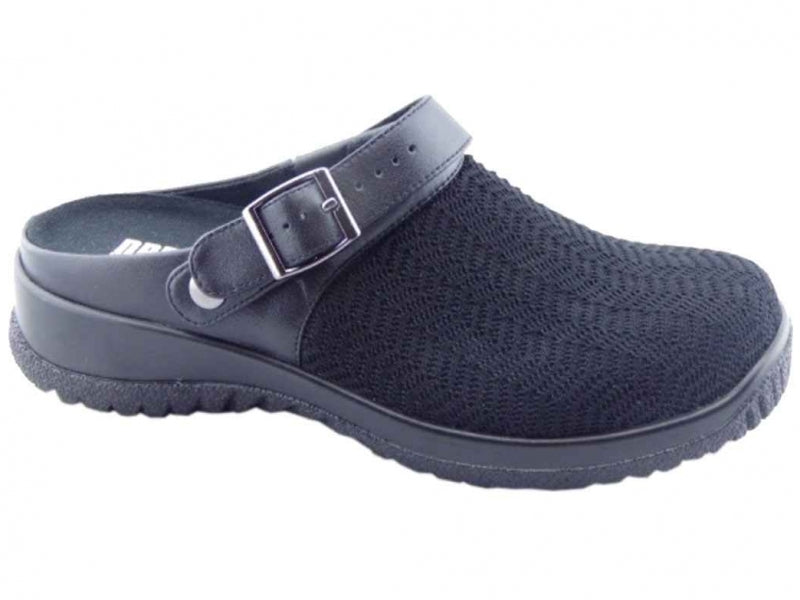
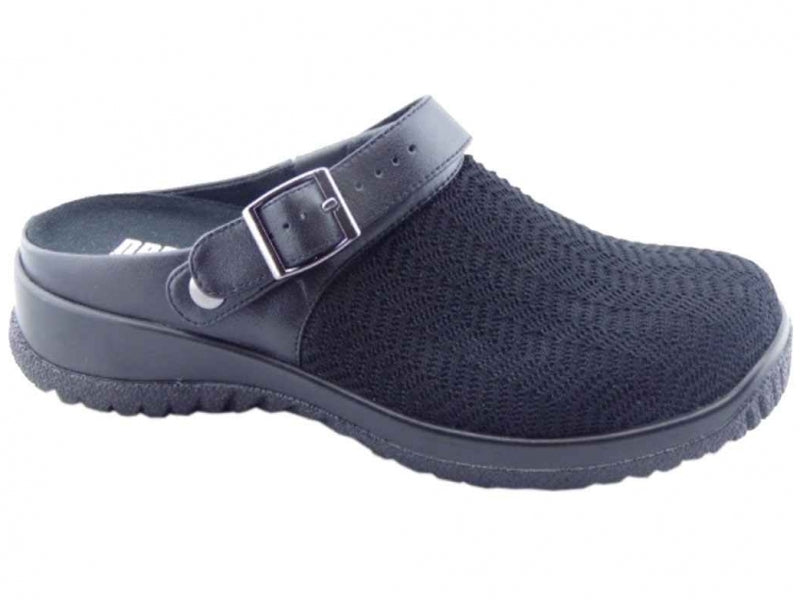
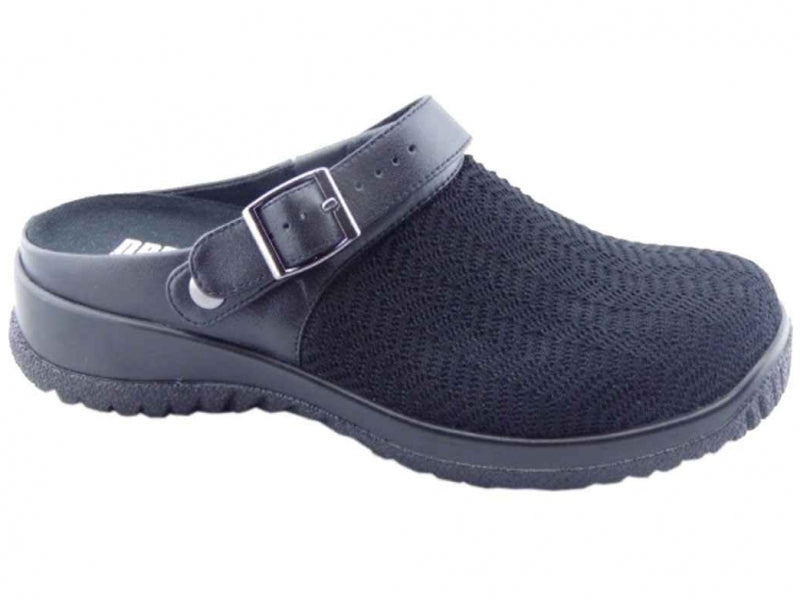
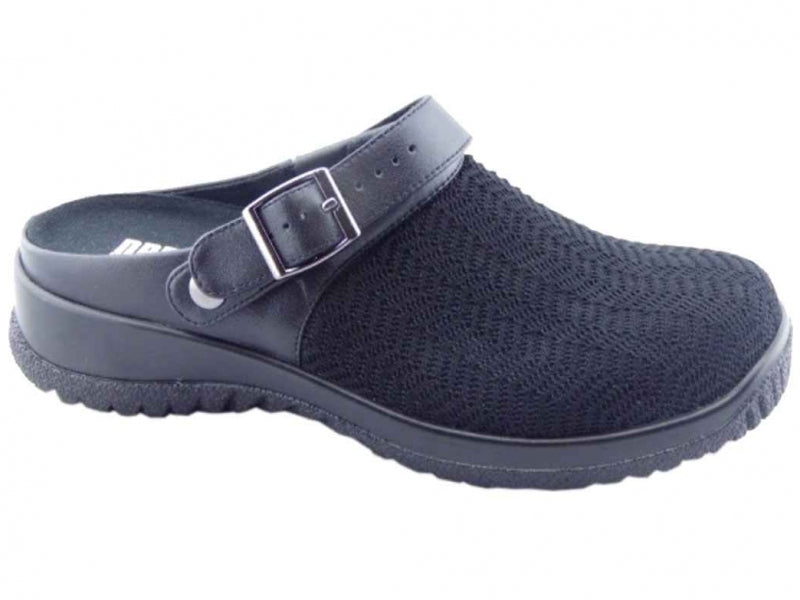
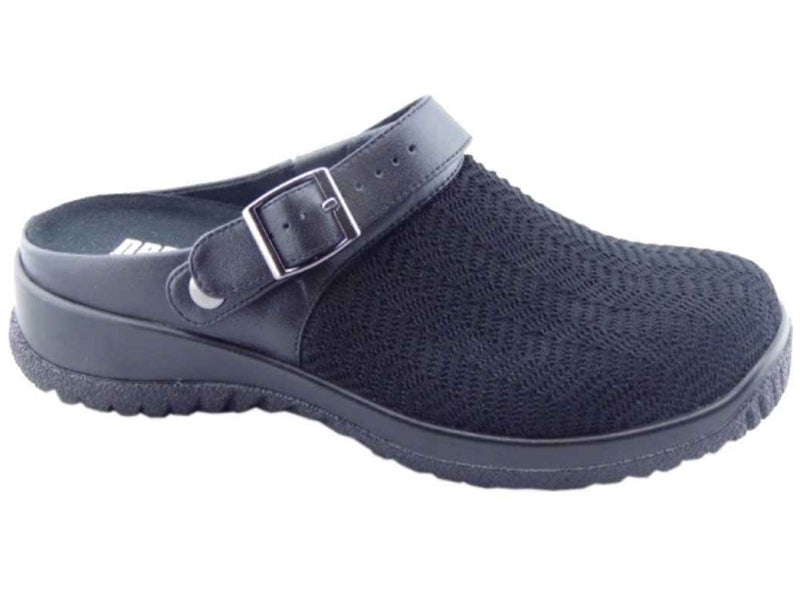
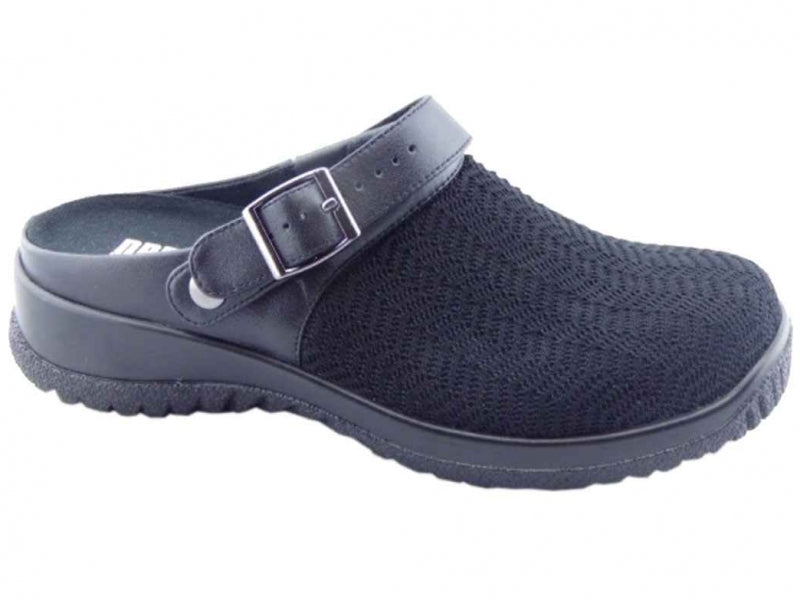
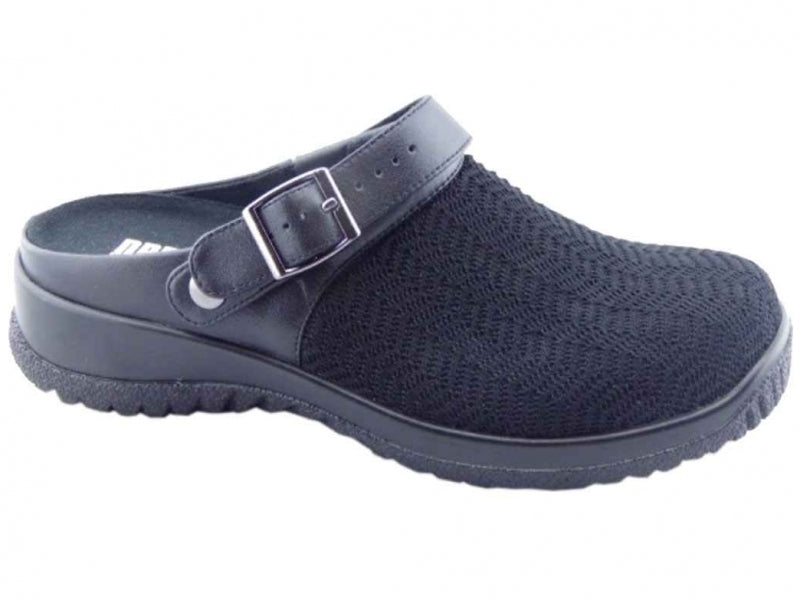
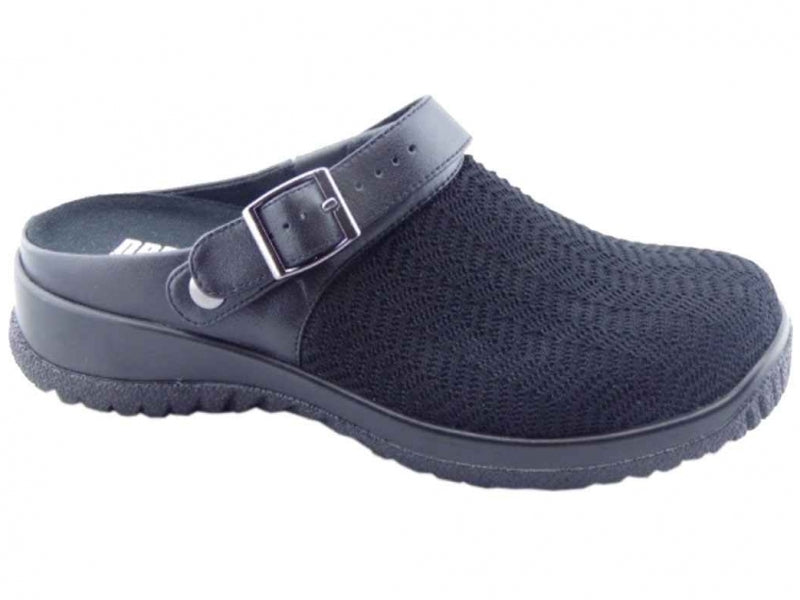
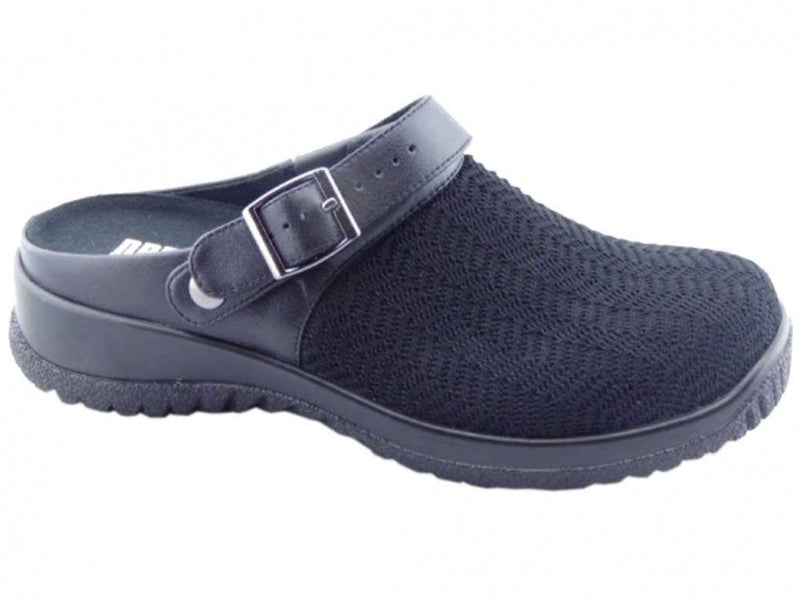
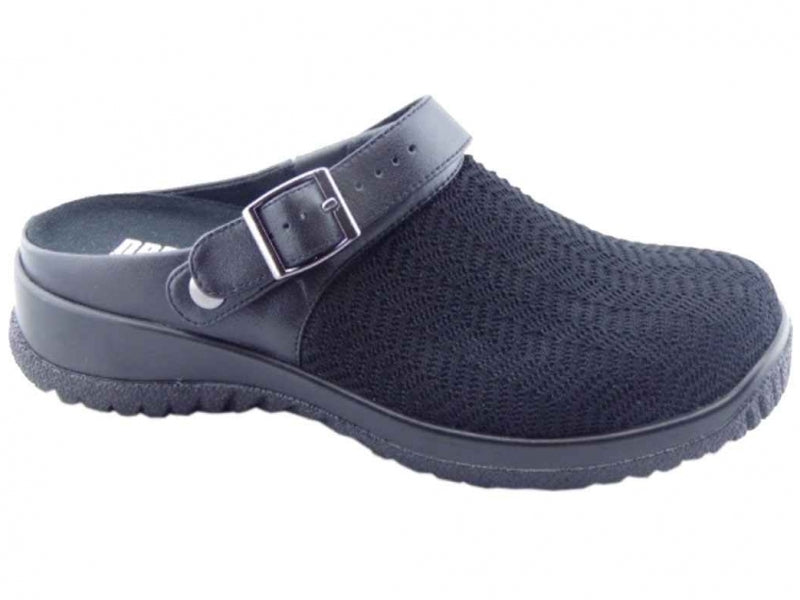
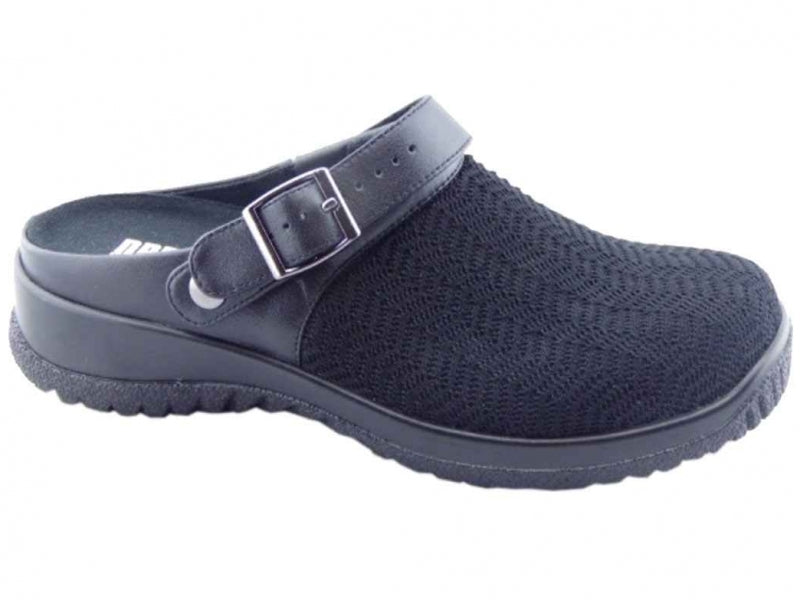
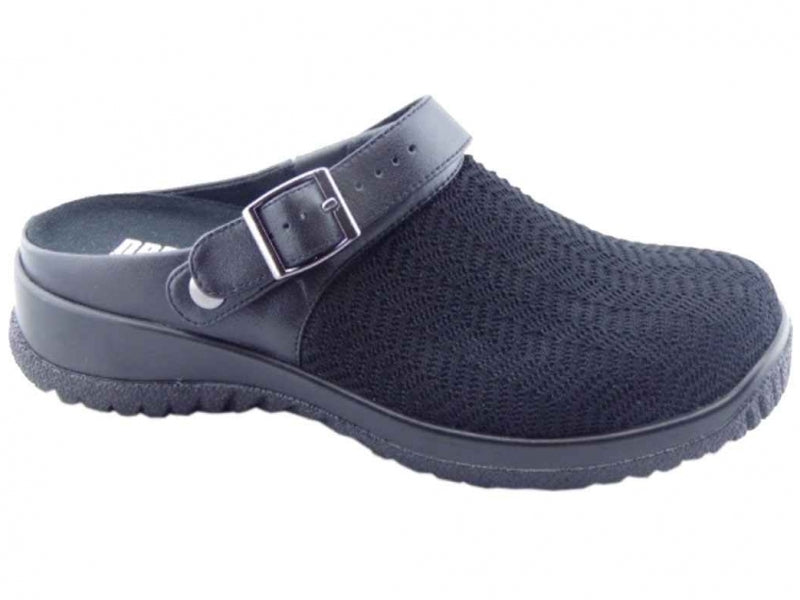
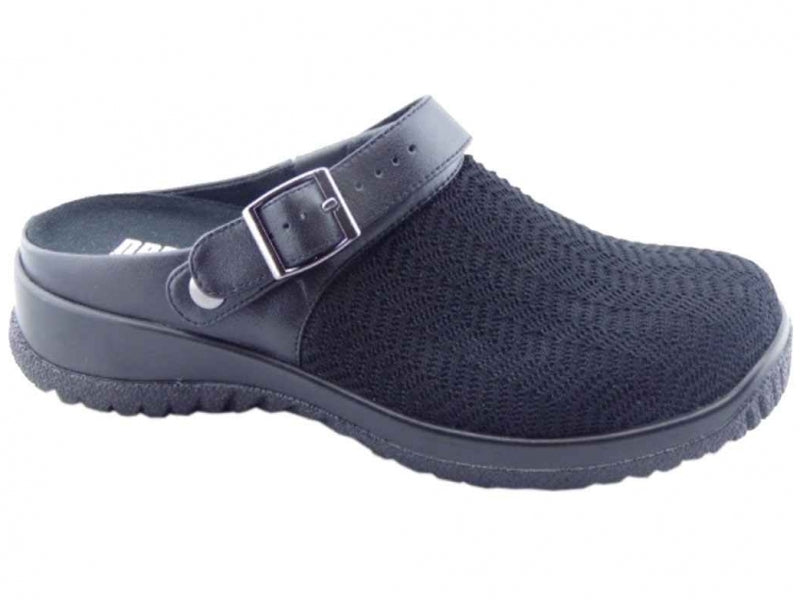
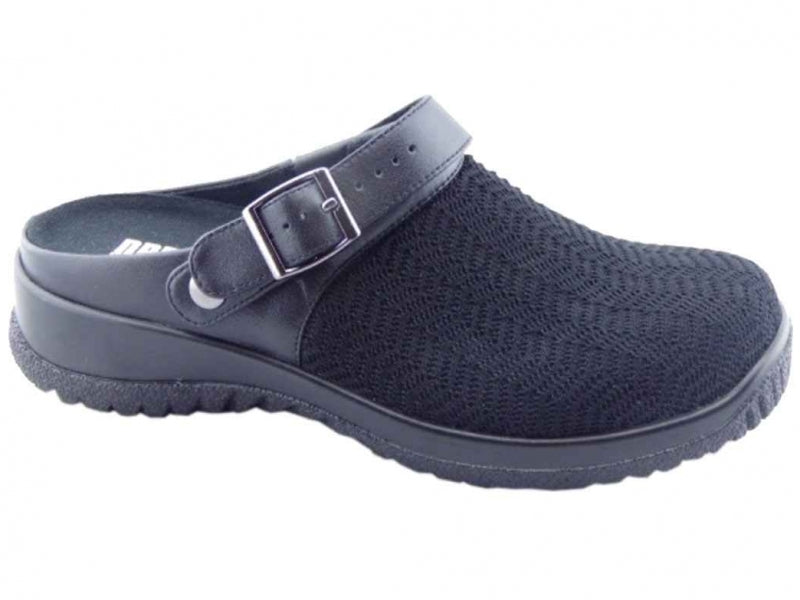
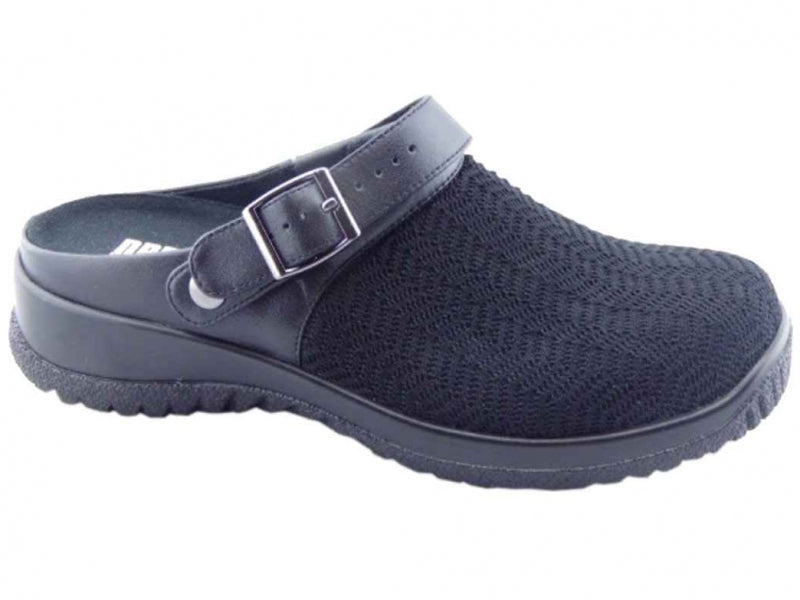
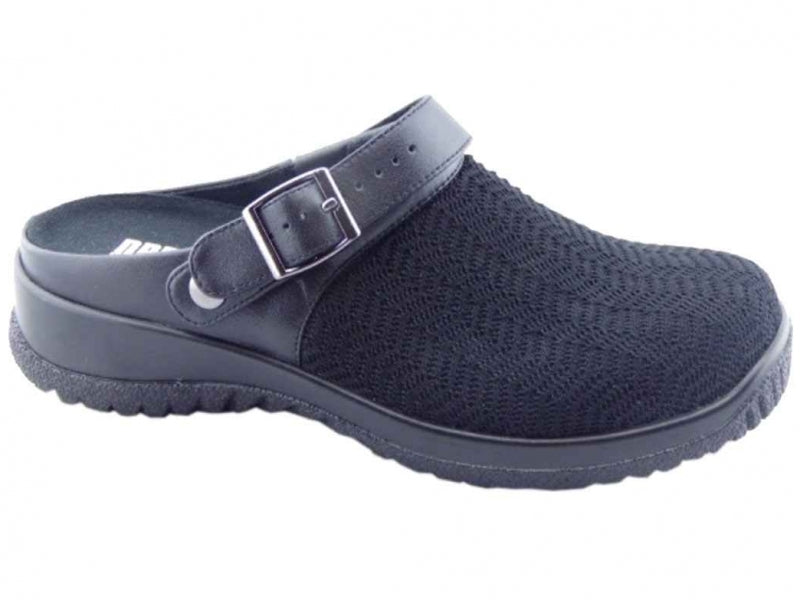
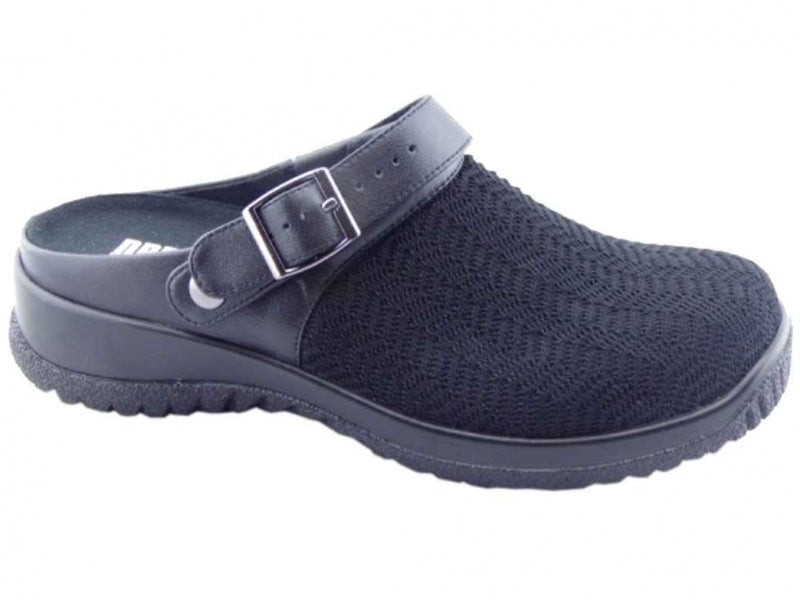
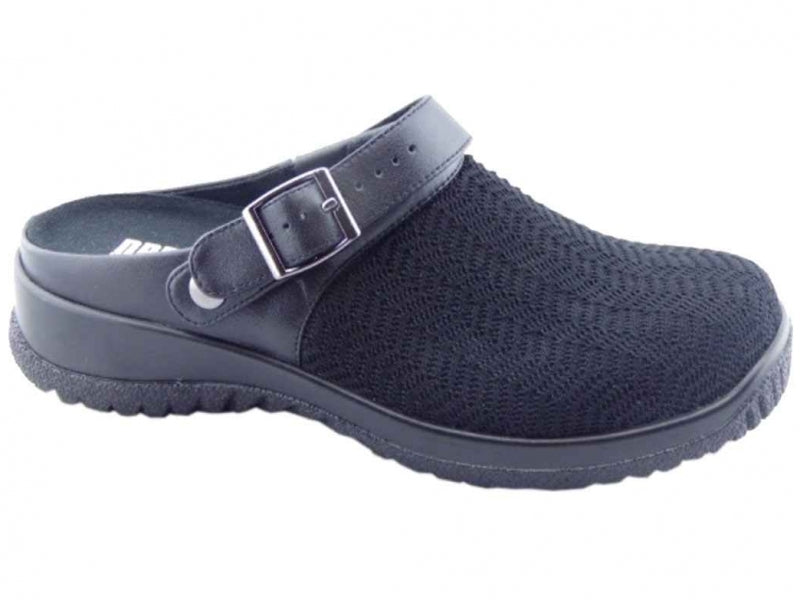
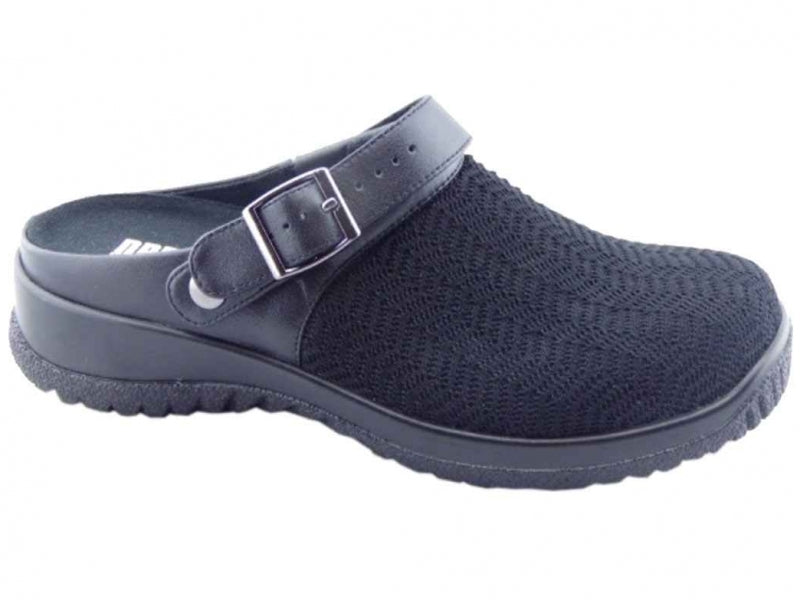
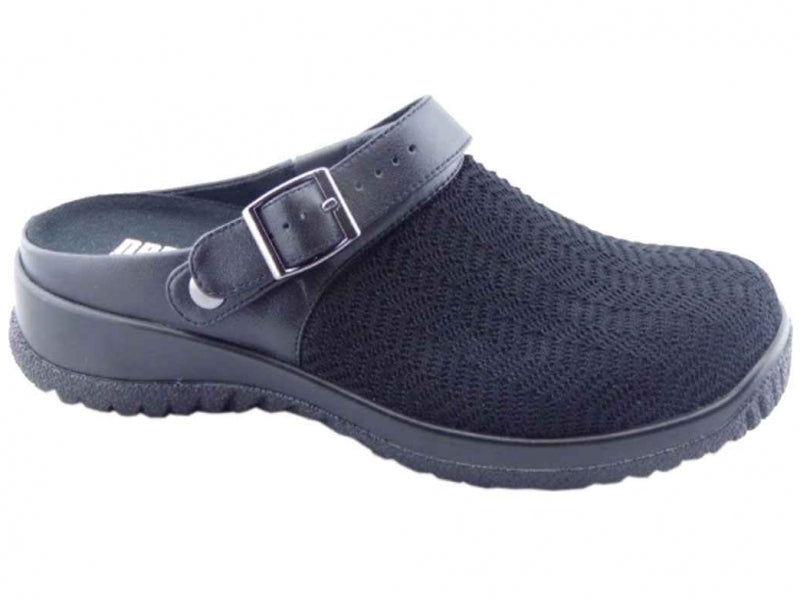
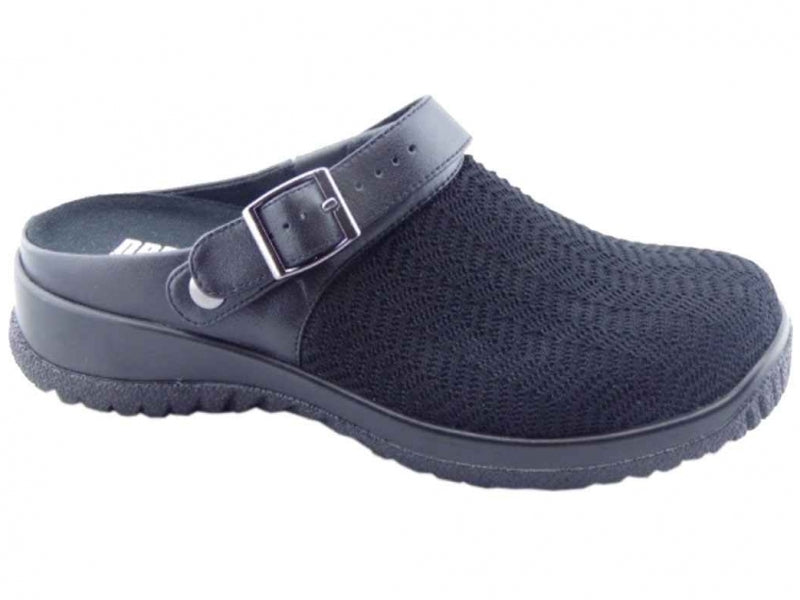
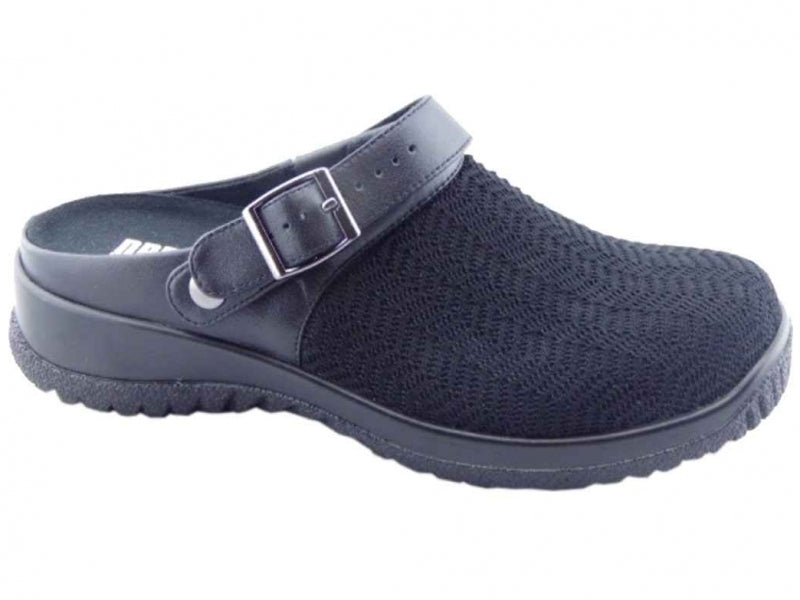
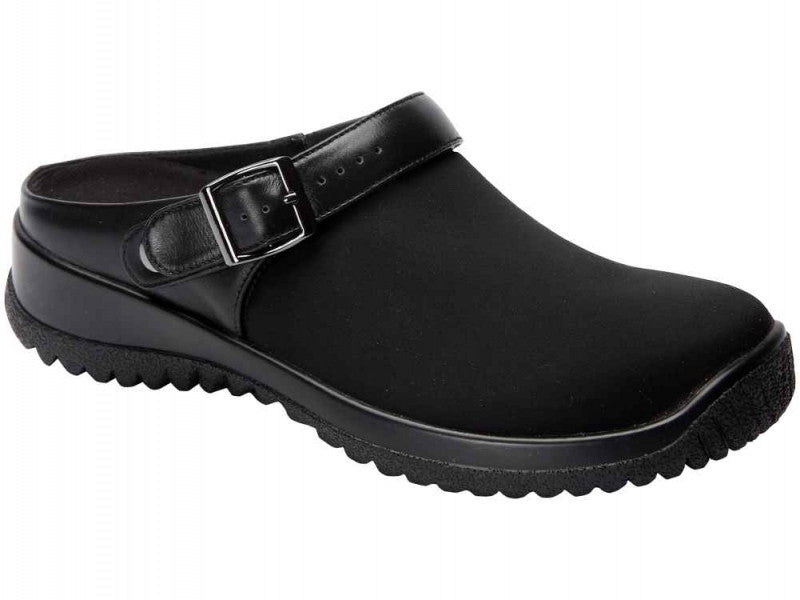
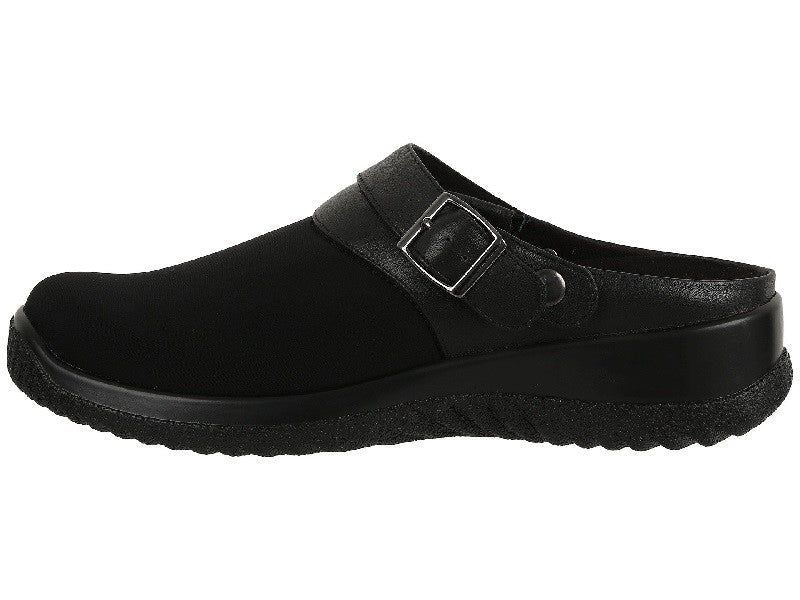
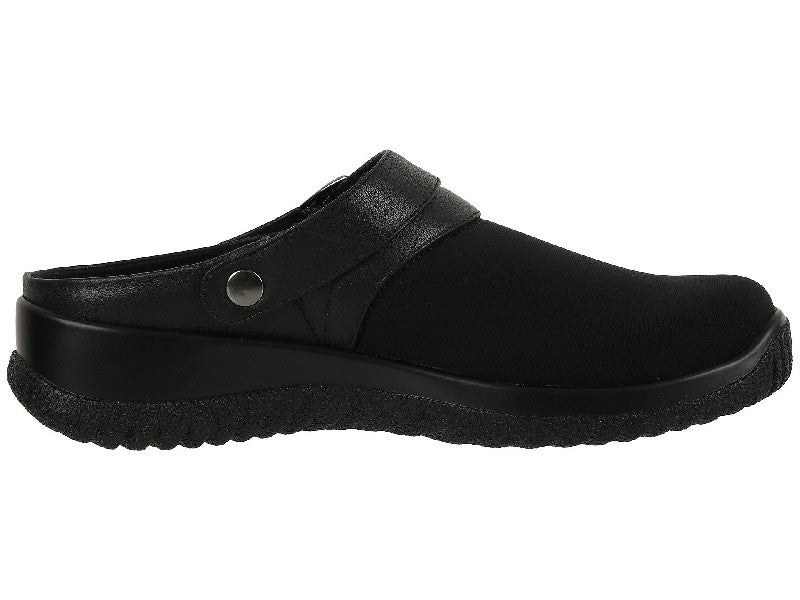
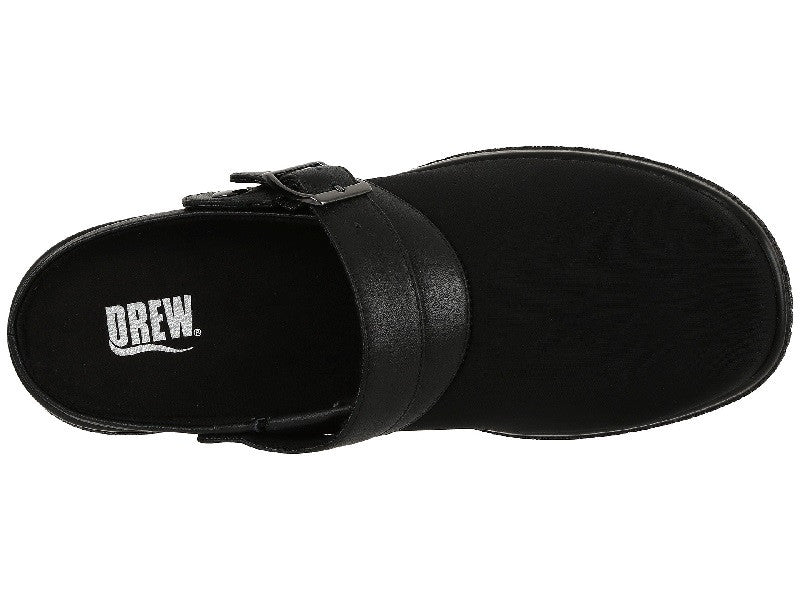
Drew Savannah - Women's Clog
Drew Savannah - Women's Clog
Item#: 7055622
Regular price
$179.95
Sale price
Sale $179.95
Regular price
$209.95
-14%
Shipping calculated at checkout.
Couldn't load pickup availability
<p>Earn%20[points_amount]%20when%20completing%20this%20purchase.</p>
How To Measure Shoe Width | Measuring Foot Width
How To Measure Shoe Width | Measuring Foot Width


Product Description
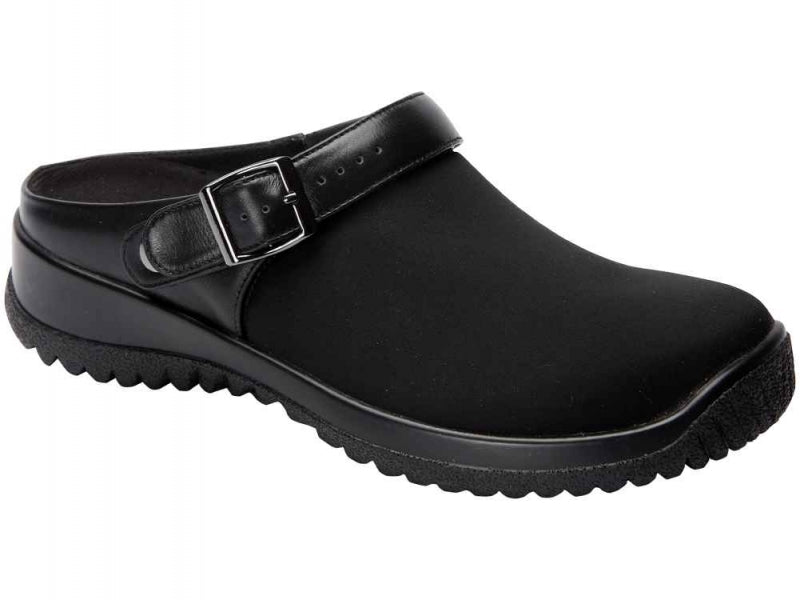
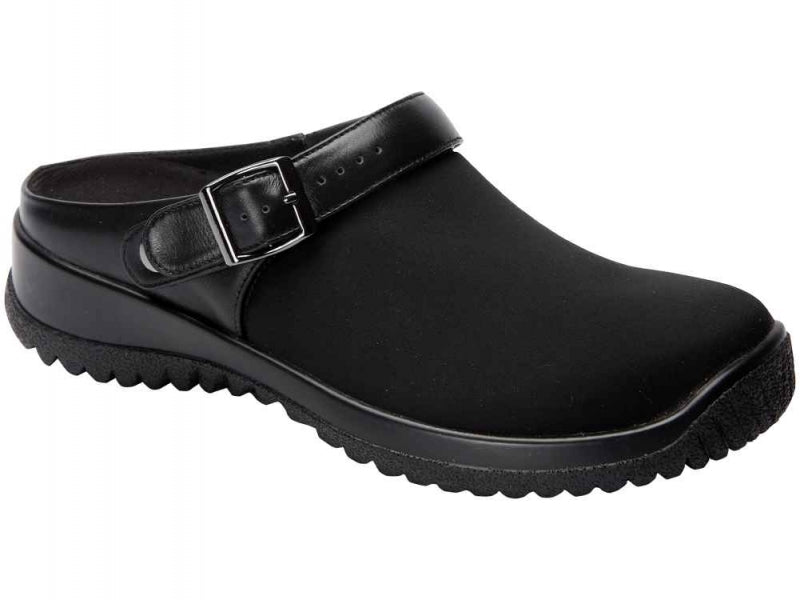
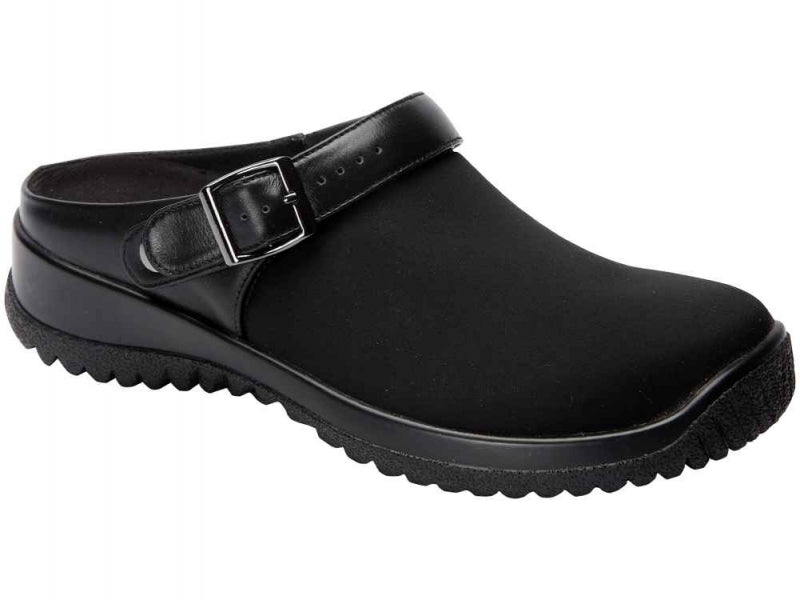
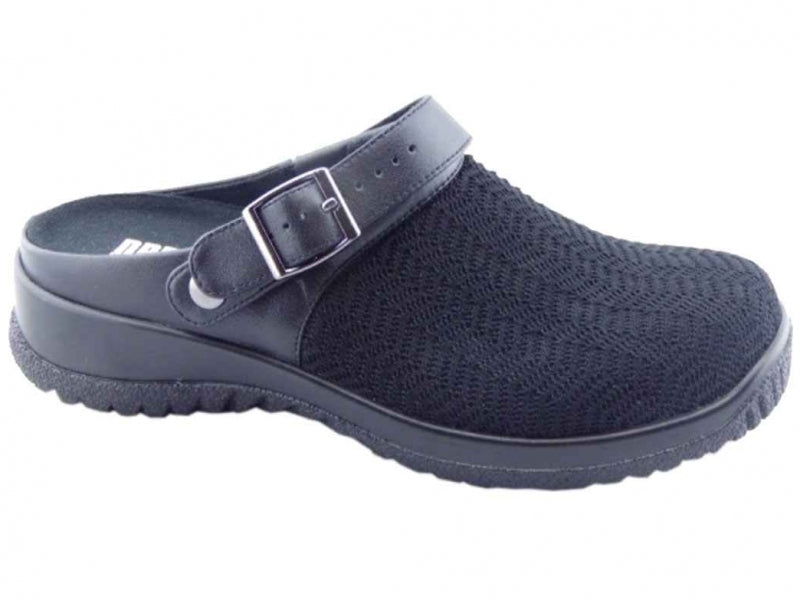
Drew Savannah - Women's Clog
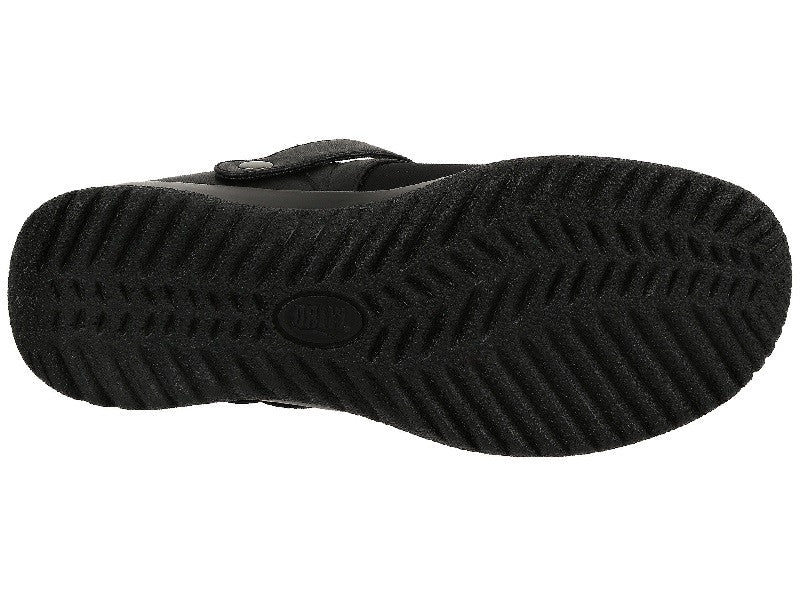
The Drew Savannah - Women's Clog is a stylish clog that is packed full of features. There are two removable footbeds that can be adjusted for additional depth and your own custom orthotics. The polyurethane footbed features a Drilex topcover as well as Drilex lining throughout that helps to reduce moisture. An AEGIS microbe shield helps to fend of bacteria that causes odor. The flexible, lightweight, polyurethane outsole provides reliable footing that adds to the durability of the shoe. This shoe is HCPCS Code A5500 approved which makes it a great option for those with diabetic needs. Features of Drew Savannah - Women's Clog- HCPCS Code A5500
- Fully padded footbed
- Classic clog design
- Steel shank
- Wide outsole for stability
- Adjustable strap
- Dual removable footbeds
- Drilex lining
- AEGIS Microbe shiel helps reduce odor
Features
Foot Conditions
* Based on the Features, this product may be appropriate for the listed Foot Conditions.
The information provided by Healthy Feet Store, LLC and Dr. Hurless is intended for educational purposes only and not intended to be used as a recommendation for a patient's specific medical condition, treatment plan or management of a disease. Please consult your healthcare provider.
Product Reviews
FAQs
Is the Drew Savannah good for plantar fasciitis?
Yes — the Drew Savannah is an excellent choice for plantar fasciitis. Its arch support, cushioned insole, and shock absorbing help reduce strain on the plantar fascia — the band of tissue along the bottom of your foot that causes heel and arch pain.
What widths does the Drew Savannah come in?
The Drew Savannah is available in Narrow (2A/B), Medium (B/D), Wide (D/E), Extra Wide (2E/3E). It also has a removable footbed, so you can swap in custom orthotics for a personalized fit. This shoe is A5500 coded and may qualify for Medicare therapeutic shoe coverage.
What does the rocker bottom sole do on the Drew Savannah?
The rocker bottom sole on the Drew Savannah promotes a smooth, rolling gait from heel strike to toe-off. This reduces pressure on the ball of the foot and forefoot joints, making it particularly helpful for metatarsalgia, Morton's neuroma, and arthritis.